
How can cities become truly sustainable if mobility systems do not fully respond to the realities and needs of women?
This question was at the heart of the Women in Motion Summit, held on 15–16 June 2026 in Agadir, Morocco. The event brought together more than 100 policymakers, transport operators, urban planners, researchers, civil society, and international partners, including the Agence Française de Développement (AFD), the International Association of Public Transport (UITP), and UN Women to explore how mobility systems can become more equitable, accessible, and responsive to all users.
Women need public transport, and public transport needs women. The inclusion of women at all levels is essential to creating safe, inclusive mobility for the very demographic that needs it most.
Ms. Lindsey Barr, Senior Director, UITP
Organised by GIZ in partnership with the Ministry of Energy Transition and Sustainable Development (MTEDD), the Wilaya of the Souss-Massa Region, and SDL Agadir Mobilité GAMDU, the summit created a platform for dialogue and action around gender-responsive mobility.
The summit opened with strong institutional support, reflecting the commitment of Morocco and the Souss-Massa Region to sustainable and inclusive development. Inaugurated by Mr. Saaïd Amzazi, Wali of the Souss-Massa Region, Mr. Bouzekri Razi, Secretary General of the Ministry of Energy Transition and Sustainable Development (MTEDD), and Dr. Omnia Aboukorah-Voigt, Cluster Coordinator at GIZ in Morocco, the event highlighted mobility as a driver of social inclusion, access to opportunities, and improved quality of life.
As speakers emphasized, mobility is more than infrastructure but also a gateway to education, employment, healthcare, and public services.
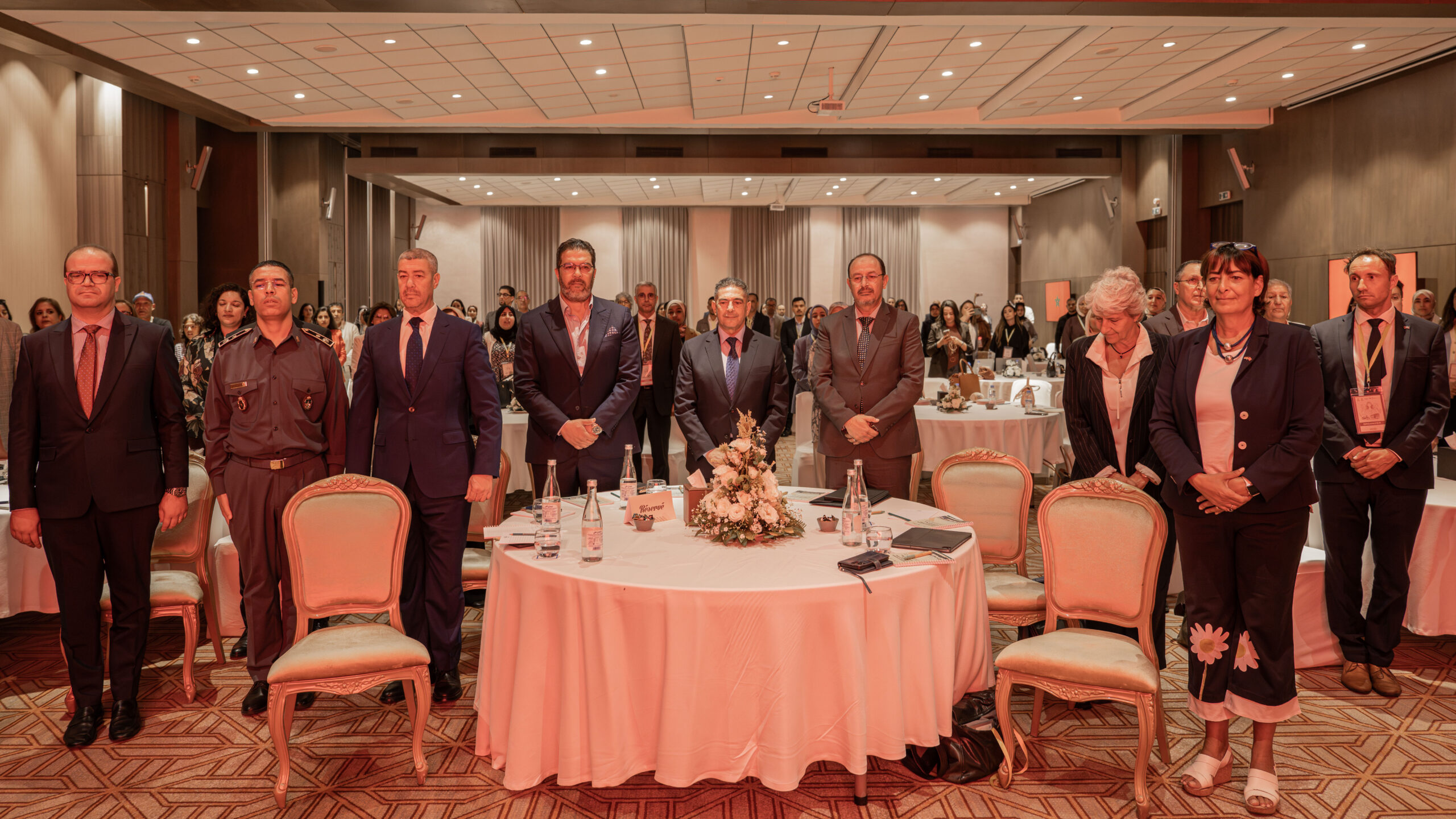
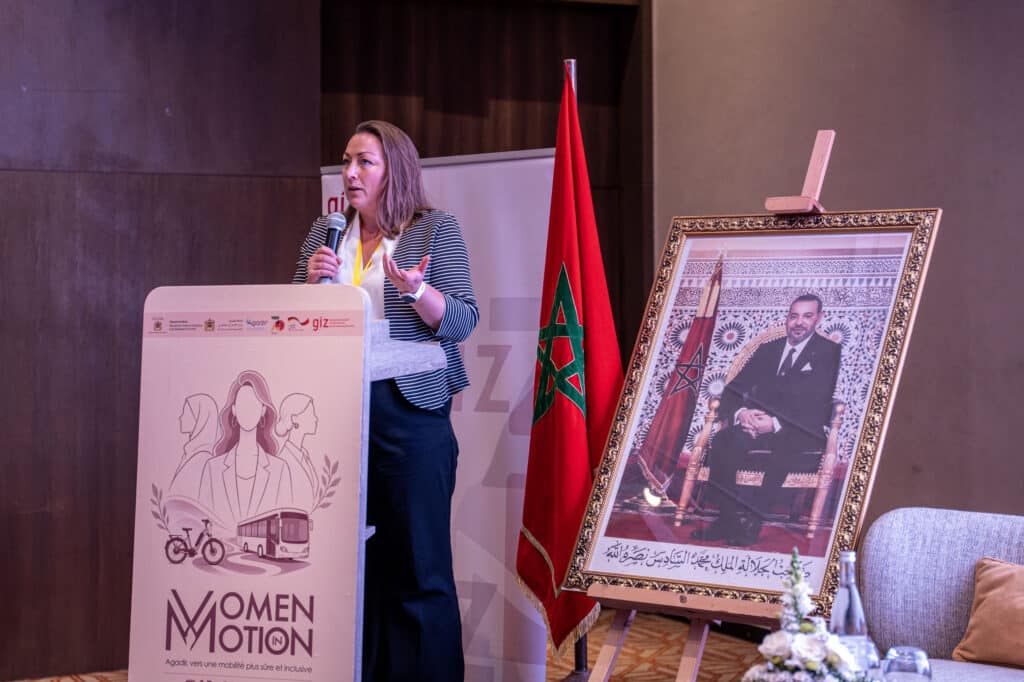
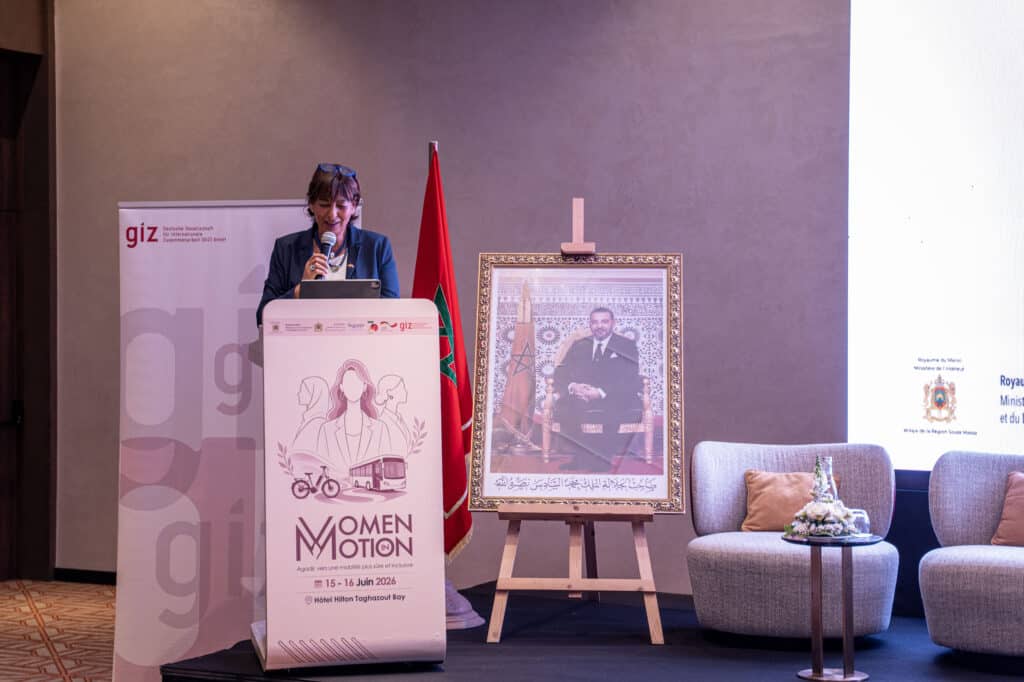
Opening of the Women in Motion Summit in Agadir. © GIZ Morocco
One of the summit’s most memorable moments was a tribute to women from the Souss-Massa Region whose work is helping shape the future of mobility. Among them were Saidia Binchir, a bus driver at Alsa Agadir whose career challenges stereotypes about women’s roles in transport, and Fatima Hejjou, a safety technician whose work contributes daily to safer and more reliable public transport services.
Through a dedicated video, the summit shifted the conversation from policy to people. Their stories highlighted the expertise and leadership behind transport systems.
The tribute reinforced a powerful message: a more inclusive mobility sector is not only about serving women, but also about enabling women to lead it.
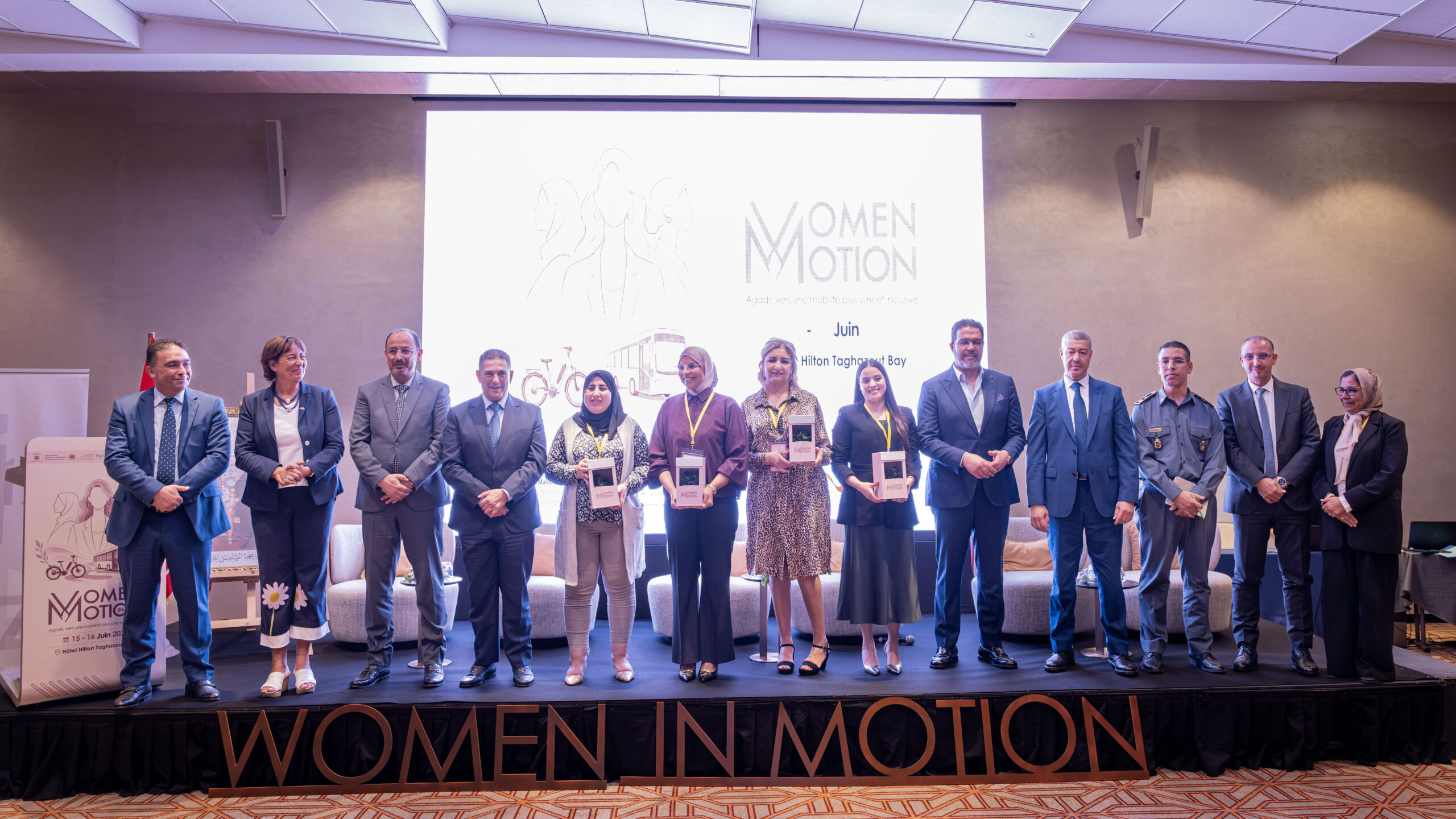
Women recognised for their contributions to inclusive mobility. © GIZ Morocco
Throughout the summit, discussions explored leadership, accessibility, safety, innovation, and sustainable urban transport. A common conclusion emerged: mobility systems are stronger when they reflect the realities and needs of the people who use them. Participants emphasised that gender-responsive mobility goes beyond safety, requiring equitable access to opportunities, services, and public spaces.
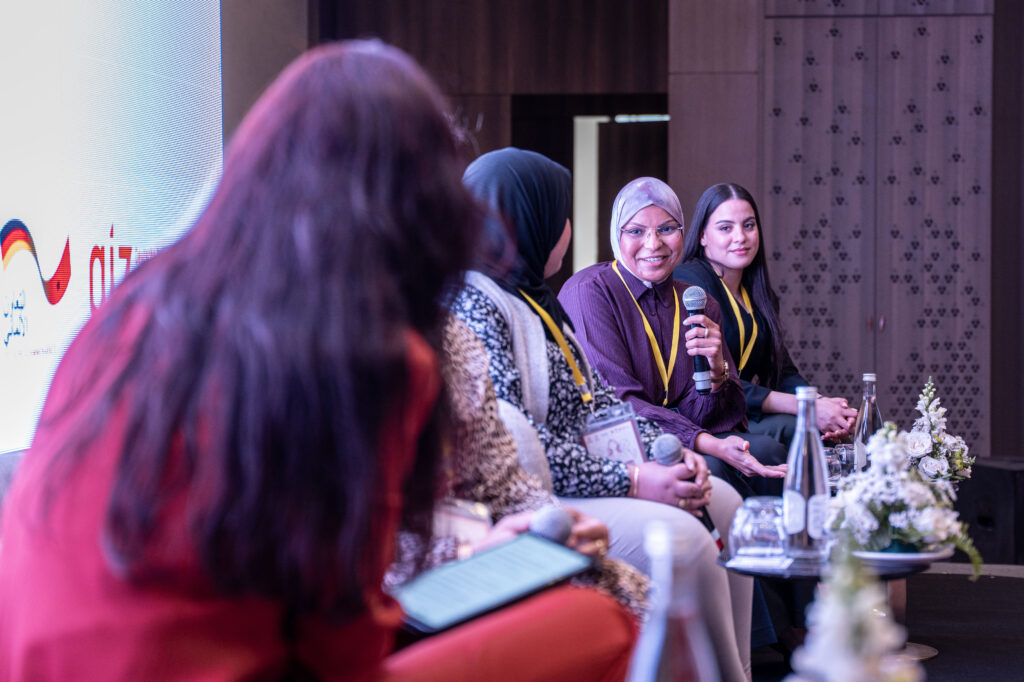
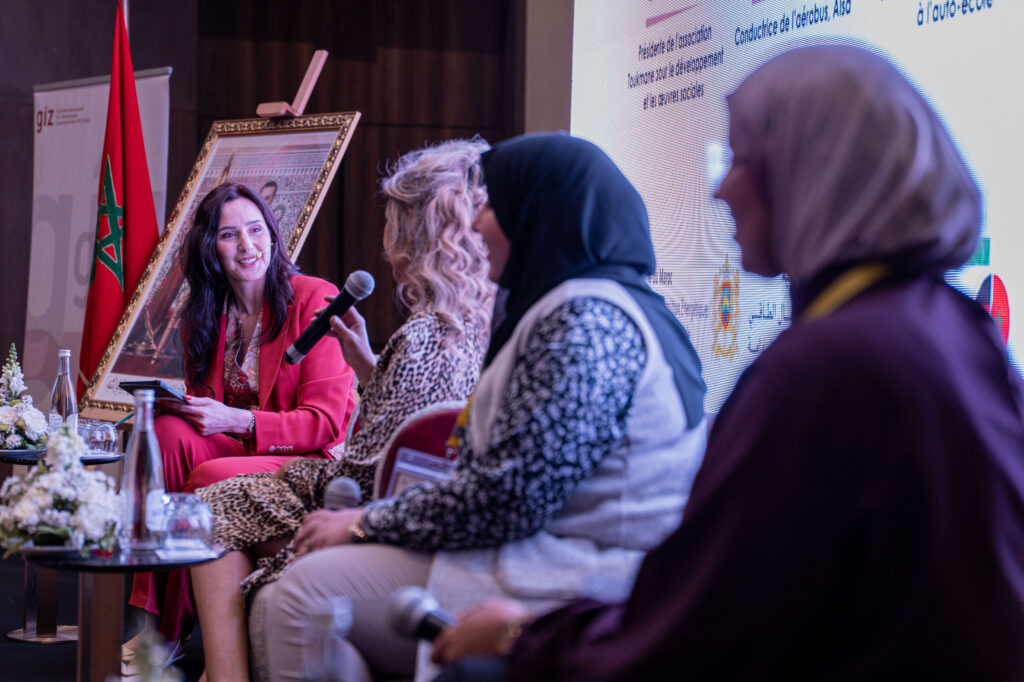
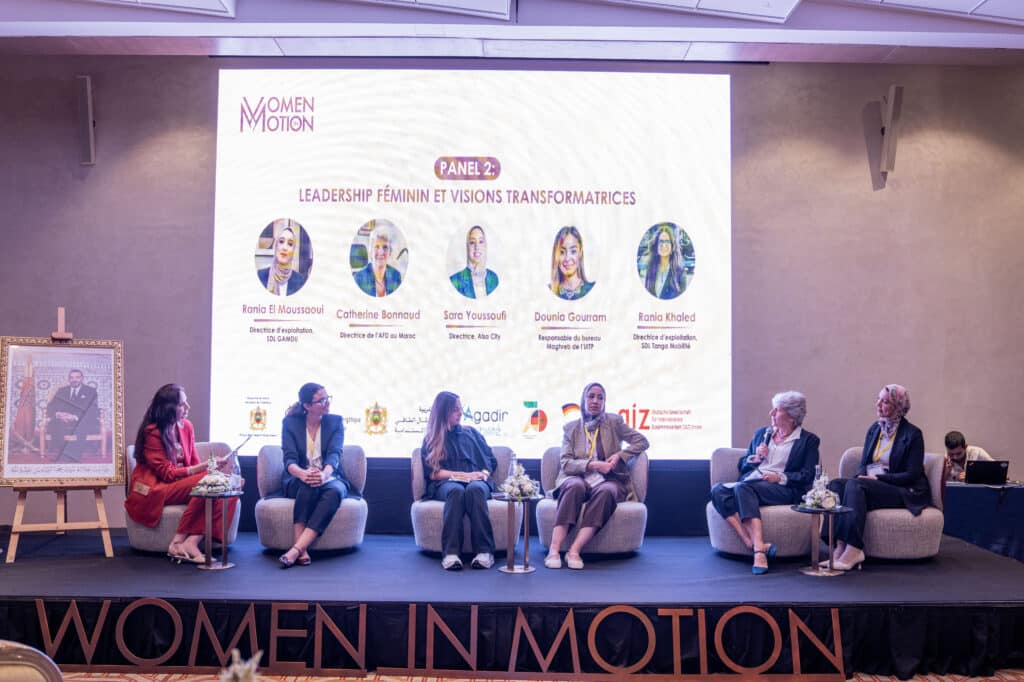
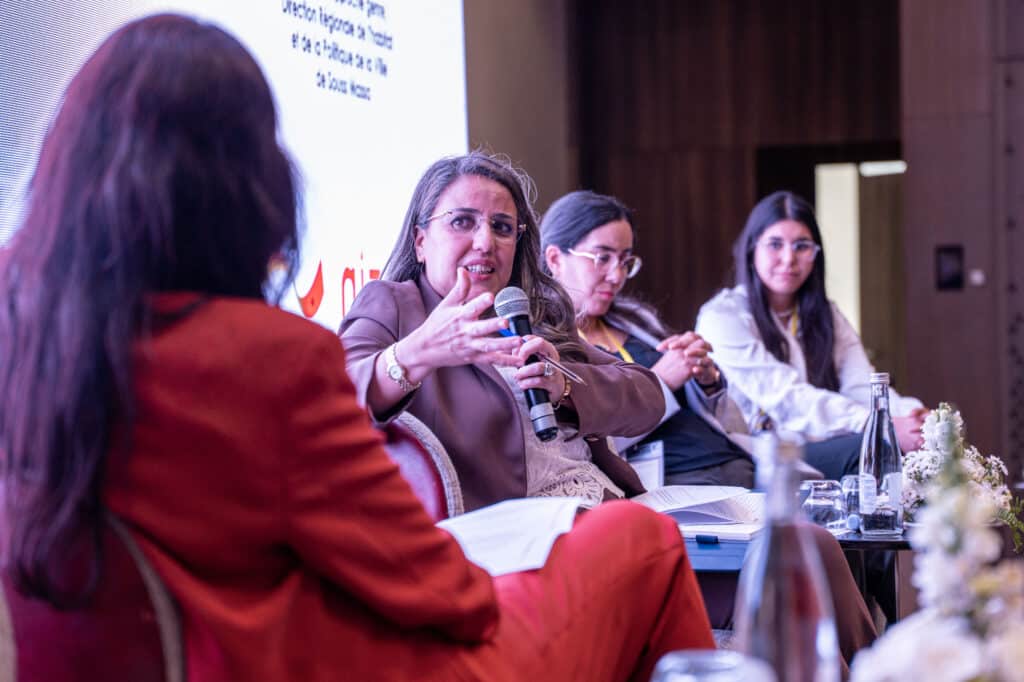
Women leaders shaping the future of mobility. © GIZ Morocco
You cannot design an inclusive transport system without recognising who is moving through the city and why.
Mr. Ayman Saaidi, UN Women
Agadir itself provided a compelling example. Through the recently inaugurated 15.5 km-long Amalway BRT Line 1, multimodal integration, active mobility, digitalisation, and preparations for major sporting events such as the FIFA World Cup 2030, the city is demonstrating how public transport investment, innovation, and inclusive planning can advance sustainable mobility while embedding gender considerations across planning, infrastructure, operations, and governance.
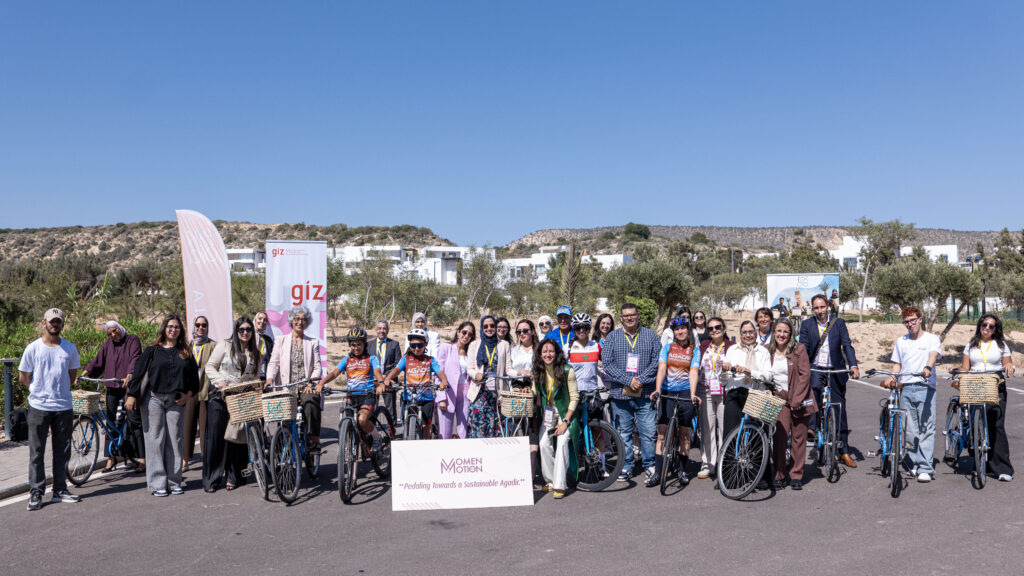
To complement the discussions, participants joined a bicycle ride through Agadir, supported by the Pikala Association, experiencing active mobility firsthand and reflecting on the importance of people-centred urban spaces.
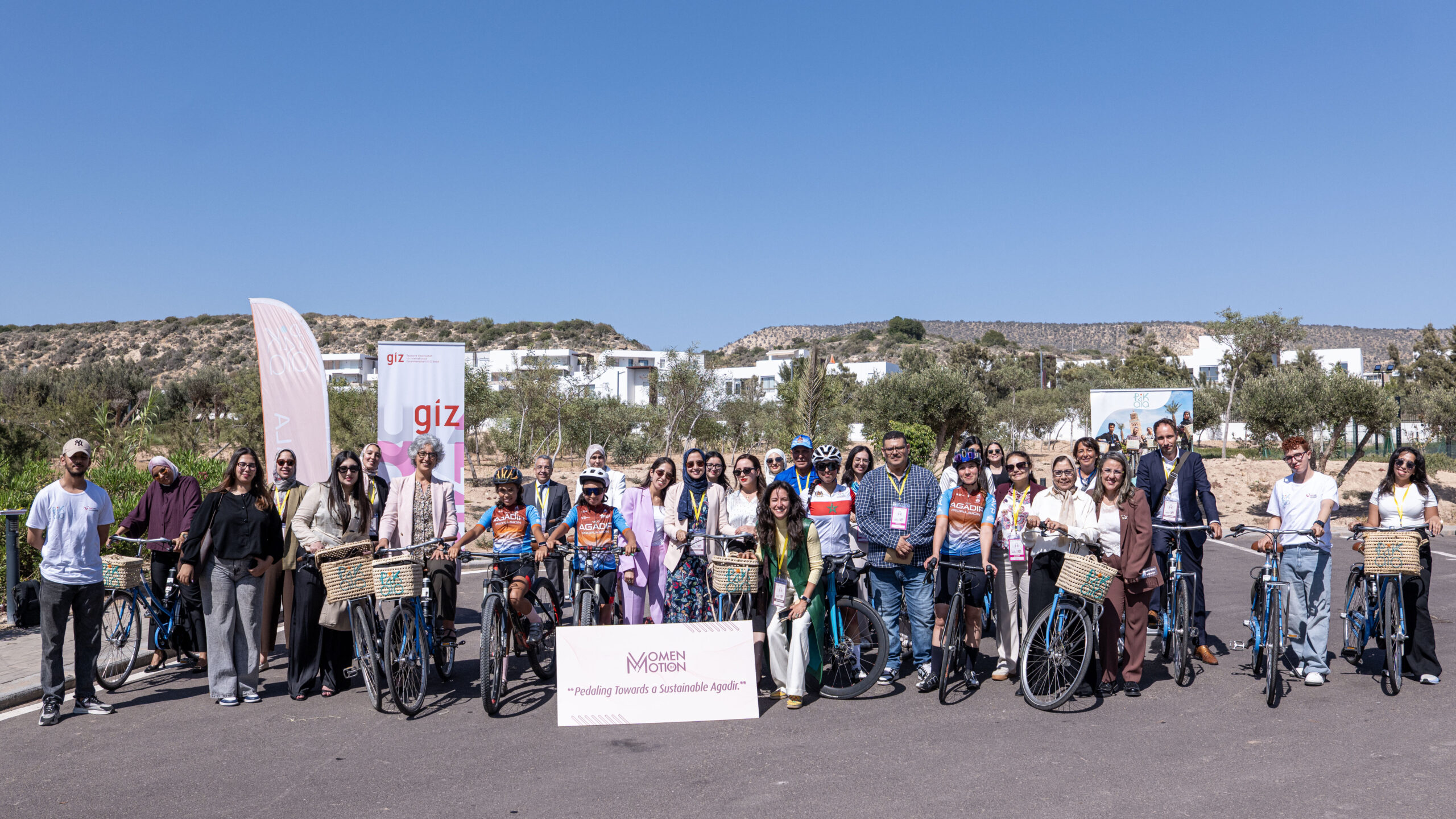
Participants experience active mobility in Agadir. © GIZ Morocco
The Women in Motion Summit sparked a conversation about who shapes the future of mobility. By connecting local experiences with international expertise and giving visibility to women whose contributions often remain unseen, the event strengthened a collective commitment to more inclusive transport systems.
Among its key outcomes was the proposal of a Women in Mobility Ambassador Circle to sustain collaboration beyond the summit. The event also reinforced Agadir’s position as a reference city for sustainable and inclusive mobility.
So, can cities become truly sustainable if mobility systems do not respond to the realities of women? In Agadir, the answer was clear: they cannot. The summit delivered a simple but powerful message: mobility works better when women help shape it. As cities confront growing social, economic, and environmental challenges, empowering women across the mobility sector is not only a matter of equity — it is essential to building better cities.
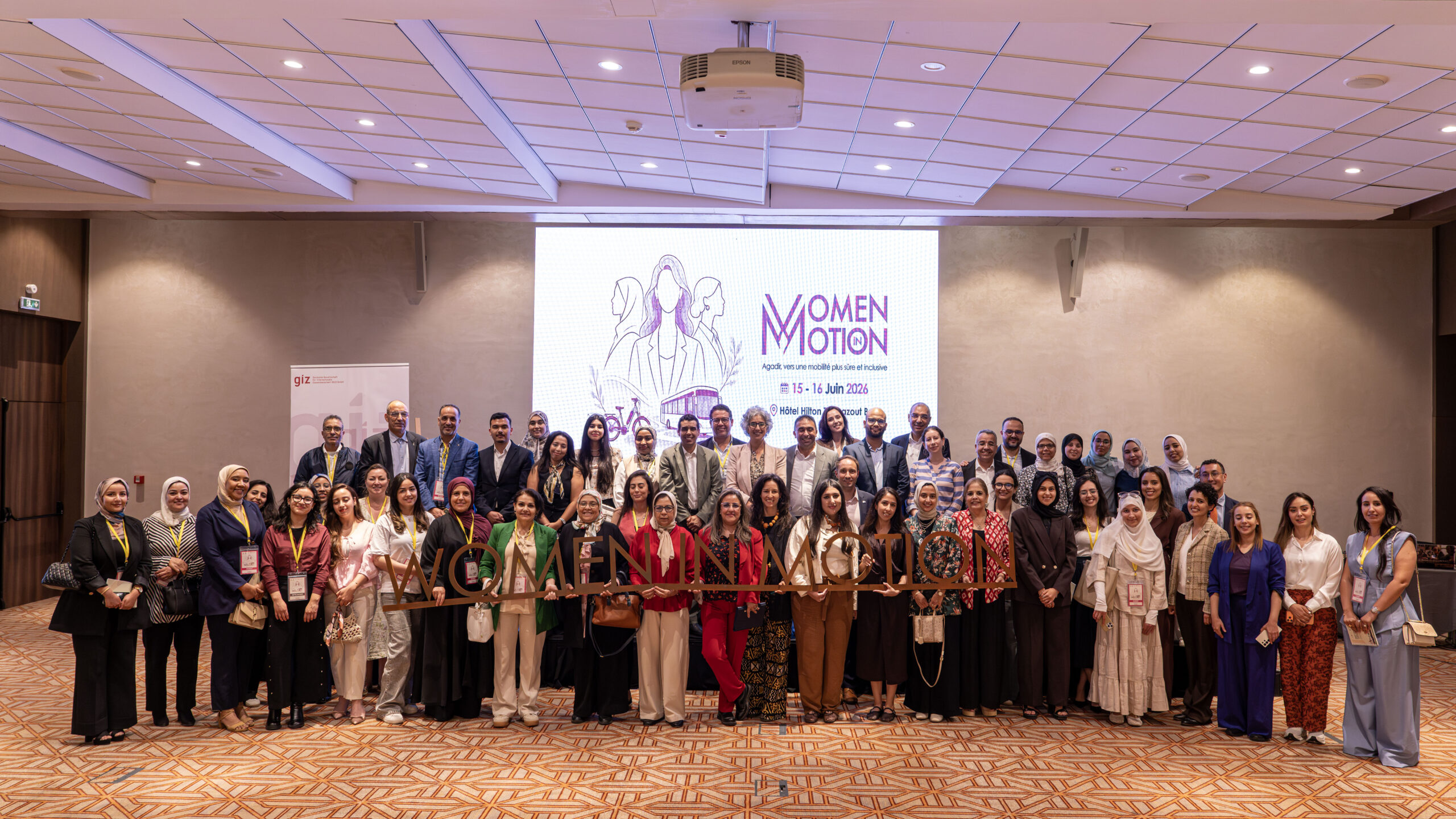
Together for more inclusive and sustainable mobility. © GIZ Morocco
Because when women move, cities move forward.
You can discover the stories of the women shaping mobility in Morocco here.
The Sustainable Mobility with Renewable Energies in Morocco (DKTI VI) project is and is commissioned by the German Federal Ministry for Economic Cooperation and Development (BMZ) and implemented by the Deutsche Gesellschaft für Internationale Zusammenarbeit (GIZ) GmbH in partnership with the Moroccan Ministry of Energy Transition and Sustainable Development (MTEDD) and the City of Agadir.
You are currently viewing a placeholder content from reCAPTCHA. To access the actual content, click the button below. Please note that doing so will share data with third-party providers.
More Information