
In 2022, Transport, with 77 MtCO2eq, accounted for approximately 20% of Thailand greenhouse gas (GHG) emissions and remains one of the hardest sectors to decarbonise. Due to continuous increase in the number of vehicles with internal combustion engines (ICE), emissions are still rising and delaying transport decarbonisation.
As a party to the Paris Agreement, Thailand reaffirmed its climate commitment through its latest Nationally Determined Contribution (NDC 3.0). It raised its climate ambition for 2035 by setting Transport sector’s GHG emission target to 54.20 MtCO2eq, representing a 47.1% reduction compared with the 2019 base year, as part of its pathway towards net-zero emissions by 2050.
The Office of Transport and Traffic Policy and Planning (OTP) is responsible for developing climate mitigation policies for the transport sector. Under the NDC Action Plan developed for Thailand’s previous NDC, improving vehicle fuel efficiency was identified as one of the key mitigation measures. In line with this policy direction, the IMPROVE project supports OTP in developing the Thai FE Data Portal to strengthen data analysis and monitoring of vehicle fuel efficiency policies in Thailand.
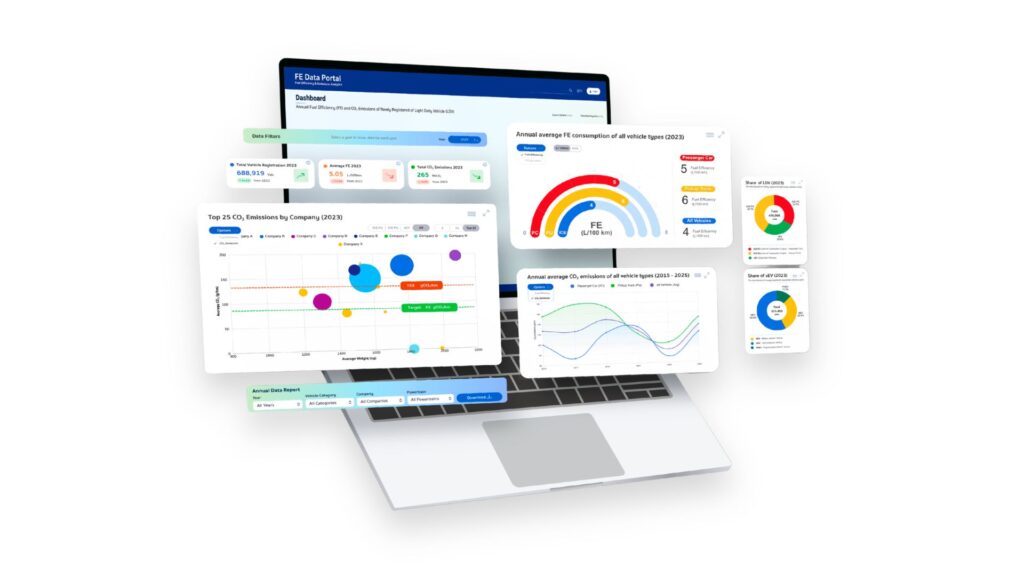
The Thai FE Data Portal is an advanced web platform developed under the IMPROVE project to support robust transport data governance. It automates data management, tracks new passenger and pick-up truck registrations, and supports monitoring and reporting on vehicle fuel efficiency and CO₂ emissions. By integrating vehicle databases from two government agencies into actionable intelligence, it serves to strengthen the evidence base for Thailand’s transport decarbonization policies and NDC alignment.
Data management is a crucial first step … and feasible!
Daniel Bongardt, Team Lead Infrastructure and Mobility
Thailand’s road transport landscape is characterised by high motorisation rates and segment diversity. The total registered vehicle fleet nationwide exceeds 45 million units, within which light-duty vehicle (LDVs), comprising passenger cars, and light commercial pickup trucks, account for over 19 million registered units.
After completing the scoping study in 2024, one of the gaps identified in Thailand’s transport sector was the lack of comprehensive vehicle-efficiency data. Different car models have different levels of fuel consumption, and the number of vehicles registered for each model also varies. Therefore, tracking CO₂ emissions from all newly registered vehicles is difficult.
Each agency held a piece of the puzzle, but no one could see the full picture. Data integration became a critical opportunity to strengthen evidence-based transport policy in Thailand.
Thailand faces challenges in sharing data between agencies. Individual government entities maintained distinct components of national transport data, yet systemic integration between these datasets was limited.
The Department of Land Transport (DLT) maintained only the national registration database, tracking brand, registration codes, engine displacement, and owner records, all important vehicle data except the CO2 emissions and fuel efficiency of vehicles.
The Office of Industrial Economics (OIE)’s official Eco-Sticker provides fuel efficiency and CO2 emission of each vehicle model. However, registration volumes by model are also needed to accurately monitor the fuel efficiency performance of newly sold vehicles.
The Office of Transport and Traffic Policy and Planning (OTP) is formulating sectoral decarbonization roadmaps, transport demand models, and Vehicle Kilometres Travelled (VKT) baselines, but relied on static, periodic surveys and manual data requests from partner agencies.
Each agency had only part of the information. As a result, policy decisions rely on fragmented data and manual data collection, making the process less efficient and less convenient for monitoring progress under international climate agreements.
To facilitate data sharing across government agencies, the IMPROVE Project established a Working Group bringing together key government agencies, including OTP, OIE, DLT, Department of Climate Change and Environment (DCCE), Pollution Control Department (PCD), Excise Department, Energy Policy and Planning Office (EPPO), Department of Alternative Energy Development and Efficiency (DEDE), and Board of Investment (BOI). Through Data Sharing protocols compliant with the Personal Data Protection Act (PDPA B.E. 2562), the Working Group created a coordinated framework for secure cross-agency data sharing.

The Thai FE Data Portal is designed as a centralised data platform that receives, cleans, standardises, and correlates administrative datasets from three distinct institutional sources:
A key technical feature of the portal is its automated Vehicle Identification Number (VIN) Matching, which matches VIN prefixes from the OIE Eco-Sticker data with VINs in DLT vehicle registration records. This allows vehicle specification data from OIE to be linked with registration data from DLT at the vehicle-model level. Although the Eco-Sticker system was introduced in 2015, the portal currently uses Eco-Sticker data from 2017 onward, as data from this period provides a VIN matching accuracy of approximately 90%.
The Thai FE Data Portal was developed through an iterative co-design process featuring policy analysts and technical officers from participating ministries. Facilitated through a hands-on Trial period on a pilot version of the website and feedback from ministerial users, the platform’s user interface and experience (UI/UX) refined to align the requirements of participating government agencies.
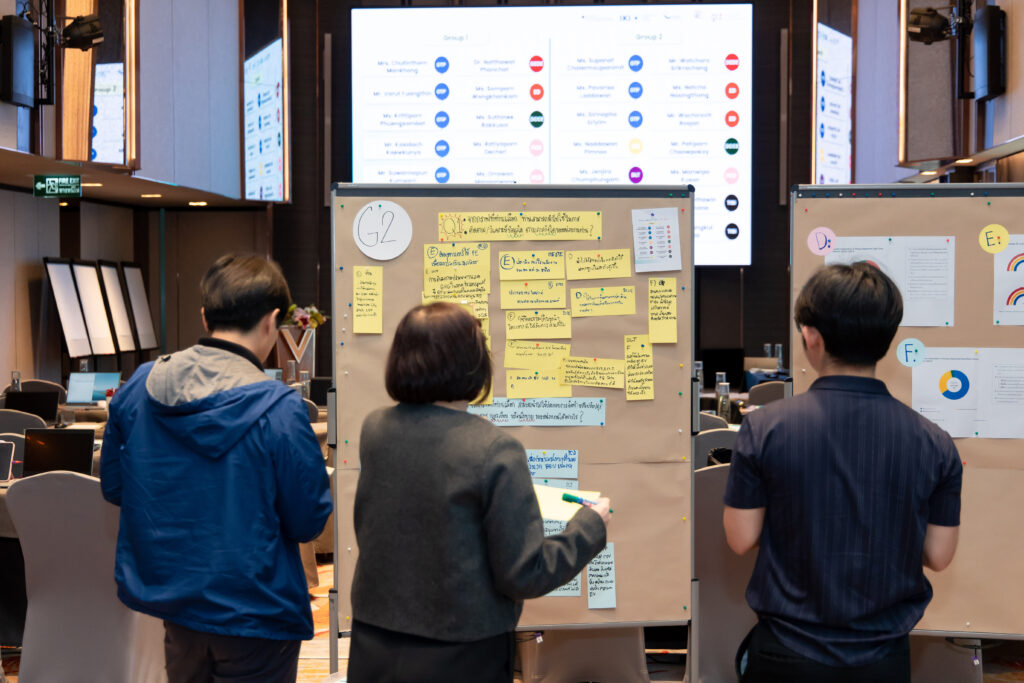
On 22 July 2026, the IMPROVE Project, in collaboration with the OTP Office, organised the Thai FE Data Portal Training Workshop to strengthen government agencies’ capacity to use transport data for policy development and decision-making. The workshop provided practical training on navigating the portal, interpreting data visualisations, generating analytical outputs, and applying data to transport policy and decarbonisation analysis, while system administrators received guidance on user management, database maintenance, and system operations. Through demonstrations and case studies, participants explored how the portal can support GHG monitoring, policy evaluation, fuel-efficiency improvements, and vehicle electrification. The workshop also reinforced the importance of reliable data, technical capacity, and inter-agency collaboration, as the Thai FE Data Portal will continue to operate under the responsibility of OTP.
While the Thai FE Data Portal provides powerful capabilities for monitoring and planning, its current dataset mainly covers newly registered vehicles from 2017 onwards. This leaves a significant gap in understanding Thailand’s older and informal vehicle fleet, including vehicles registered before 2017, used vehicles, motorcycles, buses, tuk-tuks etc. that may not be fully captured in the system. These vehicles can remain on the road for many years, contributing to air pollution, emissions, road safety risks, and economic impacts.
To strengthen the portal’s long-term value, the next step is to expand data coverage beyond newly registered vehicles by identifying and incorporating older and currently underrepresented vehicles. A more complete picture of Thailand’s vehicle fleet will enable more accurate emissions and fuel-efficiency assessments, strengthen monitoring, reporting and verification (MRV), and more effective policies targeting fleet renewal, pollution reduction, and transport decarbonisation.

The IMPROVE project is implemented by the Deutsche Gesellschaft für Internationale Zusammenarbeit (GIZ) GmbH and is funded through the International Climate Initiative (IKI) of the German Federal Ministry for Environment, Nature Conservation Climate Action and Nuclear Safety (BMUKN). It supports partner ministries in Colombia, Kenya, Morocco and Thailand to develop policies and regulations that support the transition to cleaner and more energy efficient vehicles.
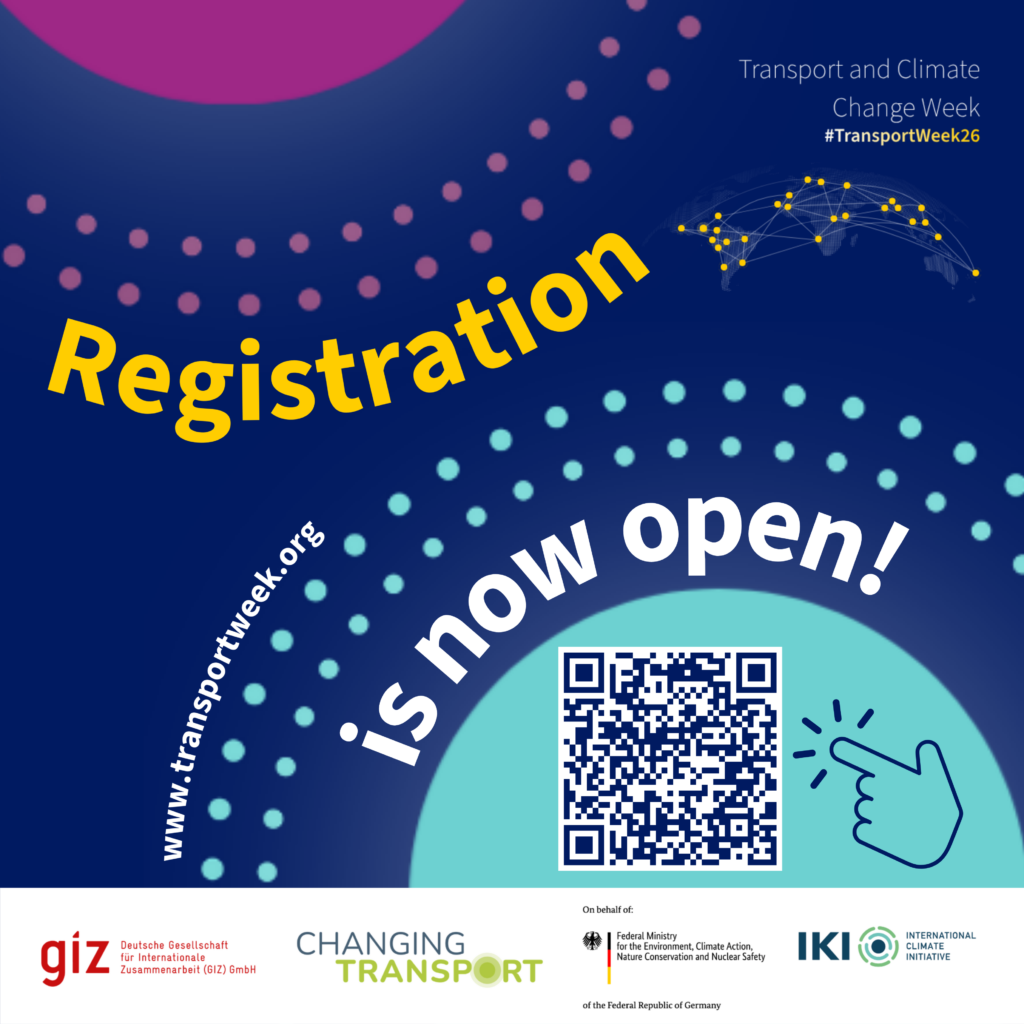
Want to engage directly with the people behind this idea or project? Join our Transport and Climate Change Week 2026! We are connecting transport communities from all over the world, including the Thailand’s team. Registration exclusively here!
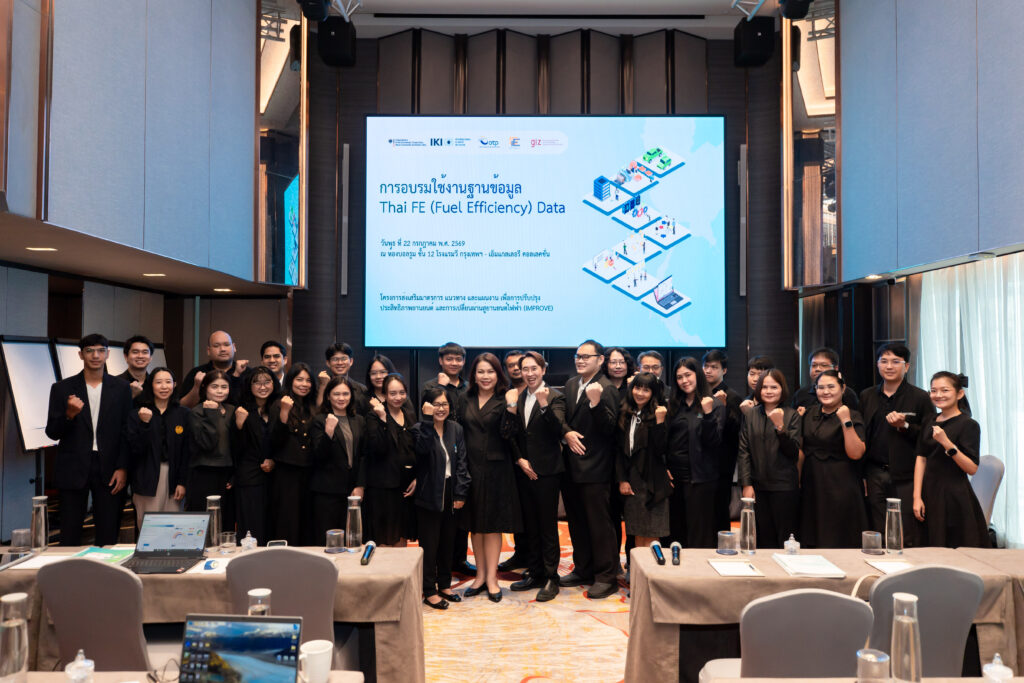
Thai FE Data Portal Training on 22 July 2026, Bangkok, Thailand. ©Suvapich Thaothampitak

Papondhanai Nanthachatchavankul
papondhanai.nanthachatchavankul@giz.de
Visit profile

Veeraya Suwannachot
veeraya.suwannachot@giz.de
Visit profile
You are currently viewing a placeholder content from reCAPTCHA. To access the actual content, click the button below. Please note that doing so will share data with third-party providers.
More Information