
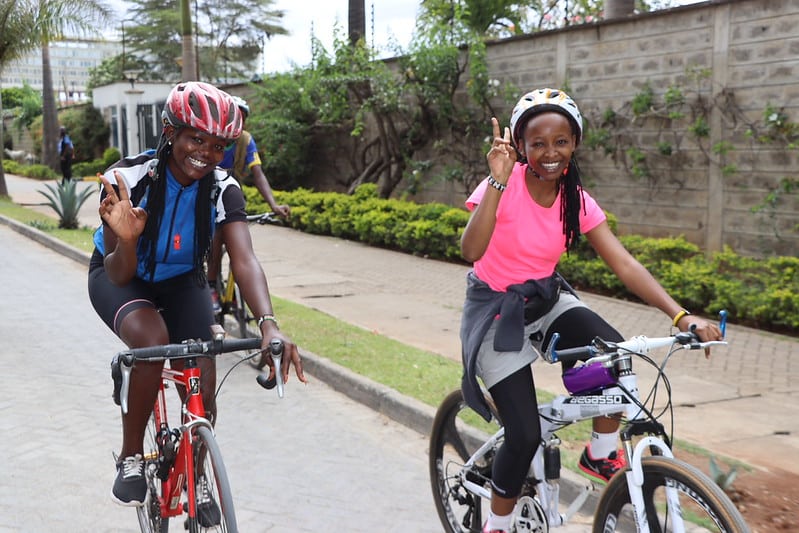
Every year on 3 June, the world marks the United Nations’ World Bicycle Day, a moment to celebrate two wheels, clean air, and the simple, radical act of getting somewhere under your own power. But for millions of people, the biggest barrier to cycling isn’t a lack of infrastructure or an inaccessible bike shop. It’s something quieter: a lack of confidence.
This year, we are making confidence our theme. Not as a prerequisite, but as a destination. Because when it comes to cycling, the confidence comes with the riding. Confidence is also climate action. A cyclist emits just 21g of CO₂ per kilometre – around 13 times less than a car (European Cyclists’ Federation).
Cycling is having a moment. Global cycling traffic is now more than 20% above pre-pandemic levels (Eco-Counter Global Cycling Index, 2026). Cities like Bogotá, with over 590km of permanent cycle lanes, and Addis Ababa, which has built more than 60km of protected cycle tracks since 2022, have made cycling a priority.
And yet, a stubborn gap persists between wanting to cycle and actually doing it: a confidence gap and a skill gap.
The confidence gap is especially pronounced among women, older adults, and people in cities where infrastructure is incomplete. Globally, there are 3–4 times more men cycling on roads than women (European Cyclists’ Federation, 2024). In Nairobi, women account for just 3.1% of all cyclists, while men make up 96% – a pattern repeated in cities across Africa, Asia and Latin America (FIA Foundation / Flone Initiative, 2023). Even among people who already own a bike, the barriers are real: 91% of women report facing barriers to cycling, with over a quarter citing lack of experience as the core confidence block. The evidence also shows infrastructure is the real lever: in Rio de Janeiro, women made up just 2–11% of cyclists on standard roads but 26% on roads with protected cycle infrastructure. The confidence gap is not about ability. It’s about environment.
The skill gap is just as real. Learning to balance, steer, and navigate traffic are entirely learnable skills, but they require the right environment, the right support, and often, the right person to say: you can do this. Programmes like Bikeability in the UK and Cycle Techiyalesh in Addis Ababa – which offers free structured cycling training for women – show that when the right support exists, the skill gap closes.
Confidence looks different for everyone. For some, it means commuting solo through rush-hour traffic. For others, it’s joining a group ride for the first time, or getting back on a bike after a gap of years. We spoke to trainers and riders around the world about what confidence means to them and how they found it or nurture it.
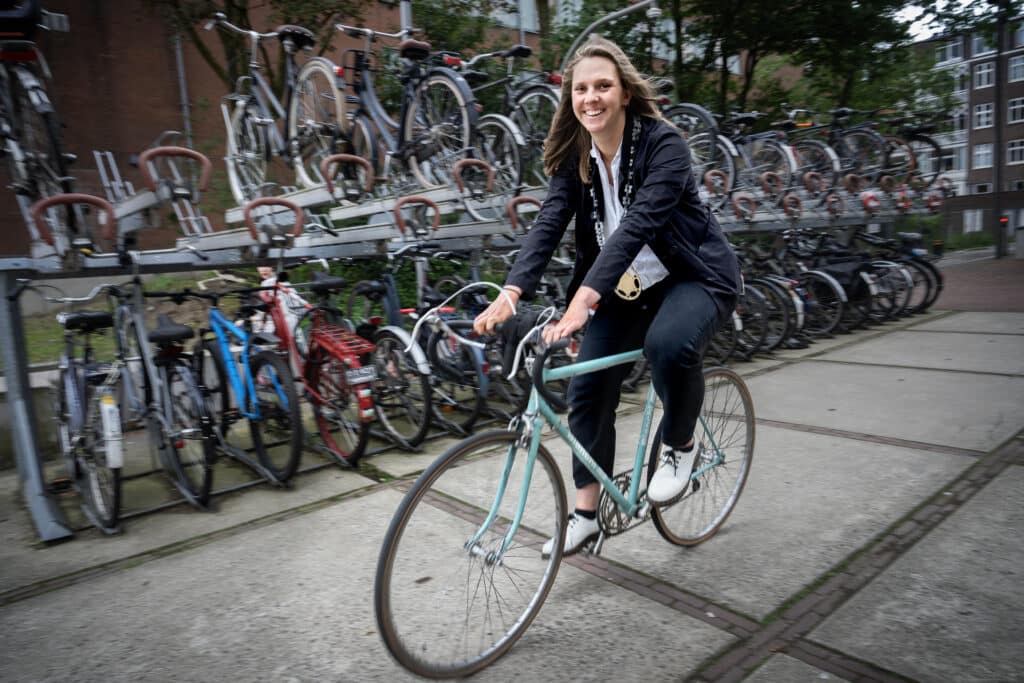
Cycling confidence goes beyond individual skills; it’s about whether people feel welcome, safe, and comfortable in public space.
Romee Nicolai, Bicycle Mayor of Amsterdam, BYCS Amsterdam
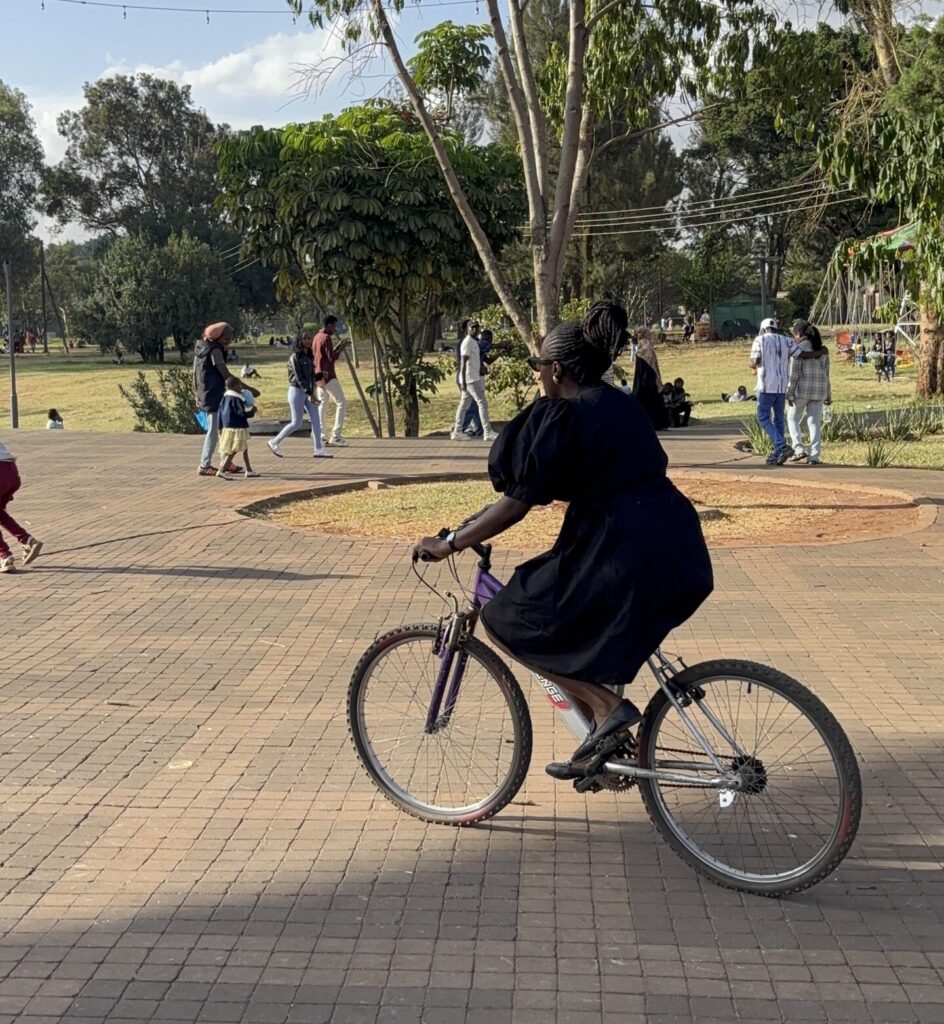
Building cycling confidence also begins with safe infrastructure, supportive communities, and the belief that every person deserves the freedom to ride.
Ragina Gitau, Junior Advisor Transport and Climate Change, GIZ
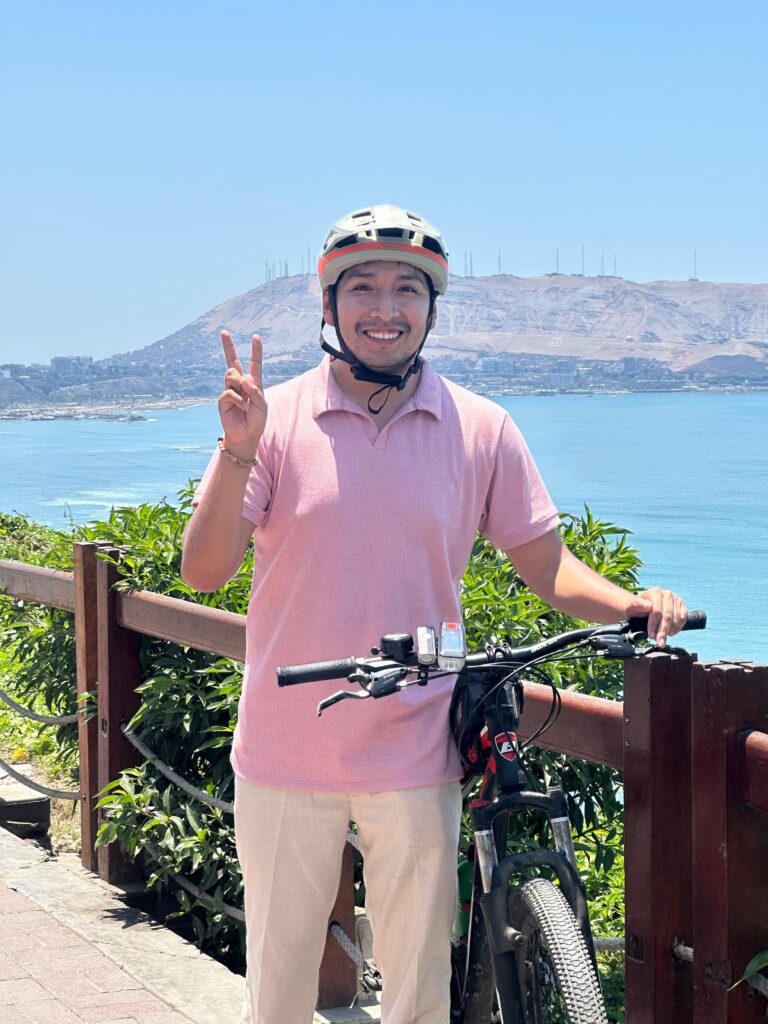
Cycling confidence means knowing that you have the right to exist on the street […] and that the city should protect you. It should not depend only on individual courage.
Jeffrey Leandro Diaz, Bicycle Mayor of Lima; Co-founder and leader of Red por la Convivencia Vial; Urban mobility and road safety activist.
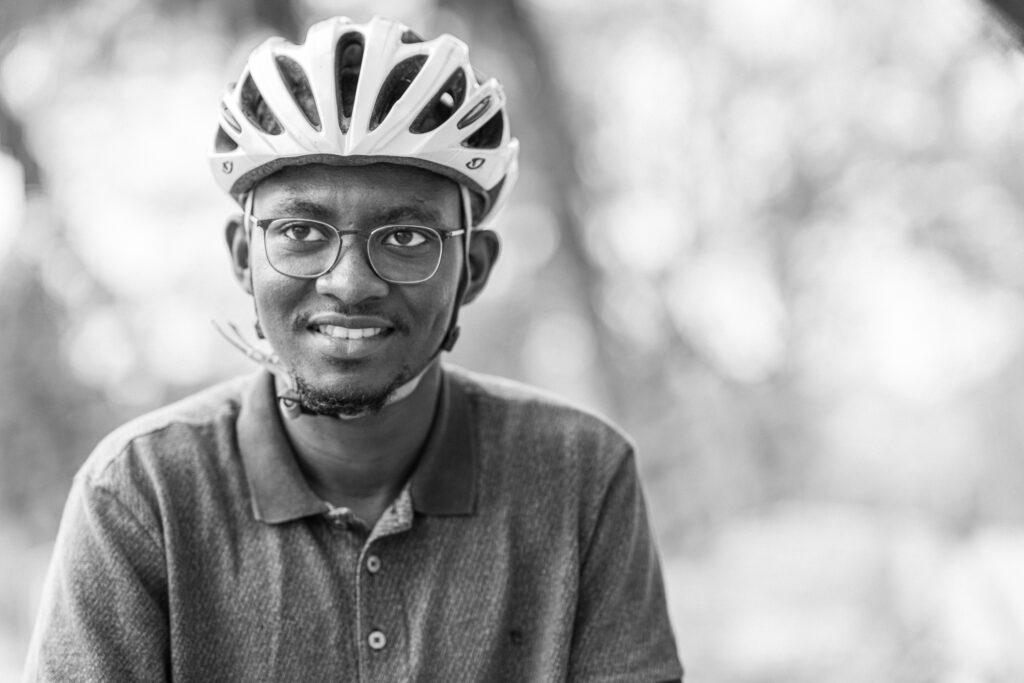
Surround yourself with people who encourage you. Go for it, the confidence will come with practice.
Baye Cheikh Sow, Co-founder Sama Vélo
Dakar, Senegal
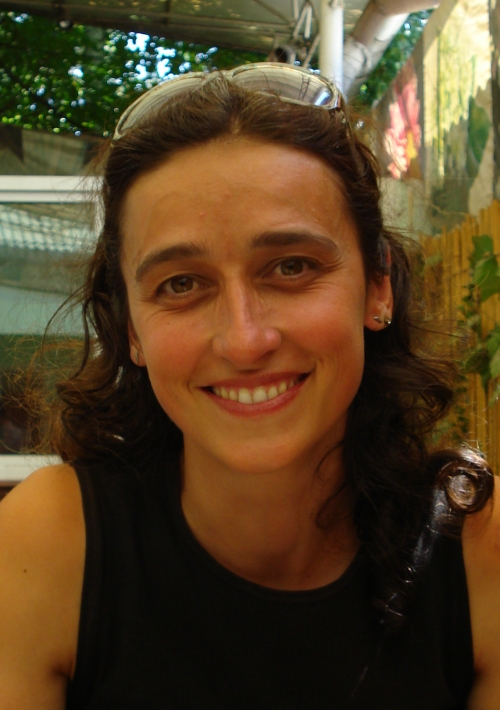
It’s worth giving it a try! You don’t have to buy a bike straight away either.
Natalia Astrin,
Bicycle Coordinator, GIZ Bonn
Whether you have never sat on a bike, haven’t ridden in years, or are helping someone else find their wheels, here is practical guidance for every stage of the journey.
For complete beginners
For nervous riders
For everyone
Confidence is not a prerequisite for cycling. It is what cycling gives you kilometre by kilometre, ride by ride, until one day you realise you have stopped thinking about whether you can and started thinking about where you want to go next. This World Bicycle Day, we invite you to take that first step (or next step) and to share it with us. What does cycling confidence mean to you? When did you find it, or when are you looking for it? Tell us your story.
Download the Social Media Card and tell your story >> 2026 World Bike Day – Social Media Template
Learning to Ride
Community & Group Riding
Lived experience
Critical Mass Nairobi, October 2023, ©Critical Mass Nairobi

Erdem Uslu
erdem.uslu@giz.de
Valerie Katthagen
valerie.katthagen@giz.de
Visit profile
You are currently viewing a placeholder content from reCAPTCHA. To access the actual content, click the button below. Please note that doing so will share data with third-party providers.
More Information