
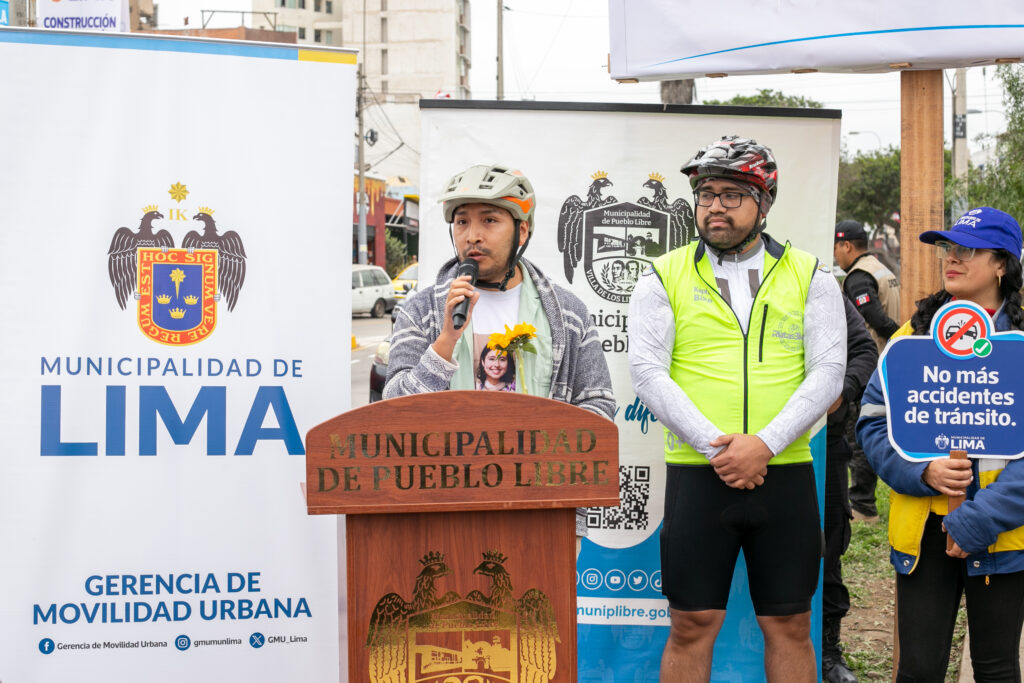
Jeffrey Leandro Diaz is the co-founder of Pedalea Seguro, a community-driven initiative that promotes safer cycling in Lima and other Peruvian cities through data, advocacy, public awareness, bike parking, and collaboration with local governments, civil society organizations, and young leaders. As Bicycle Mayor of Lima, his mission is to help build a city where cycling is not only possible, but safe, inclusive, and dignified for everyone, especially children, workers, women, and people who today face the greatest risks on the road.
How did you first get into cycling, and how did you feel about your confidence on the bike?
My relationship with cycling began as a very personal journey. At first, I did not consider myself a very skilled or confident cyclist. I was learning, observing, and trying to understand the city from a different perspective. Lima can be a difficult place to ride: the streets often prioritise speed, cars, and informality over people. So in the beginning, confidence was not something I simply “had”: it was something I had to build little by little, through practice, community, and love.
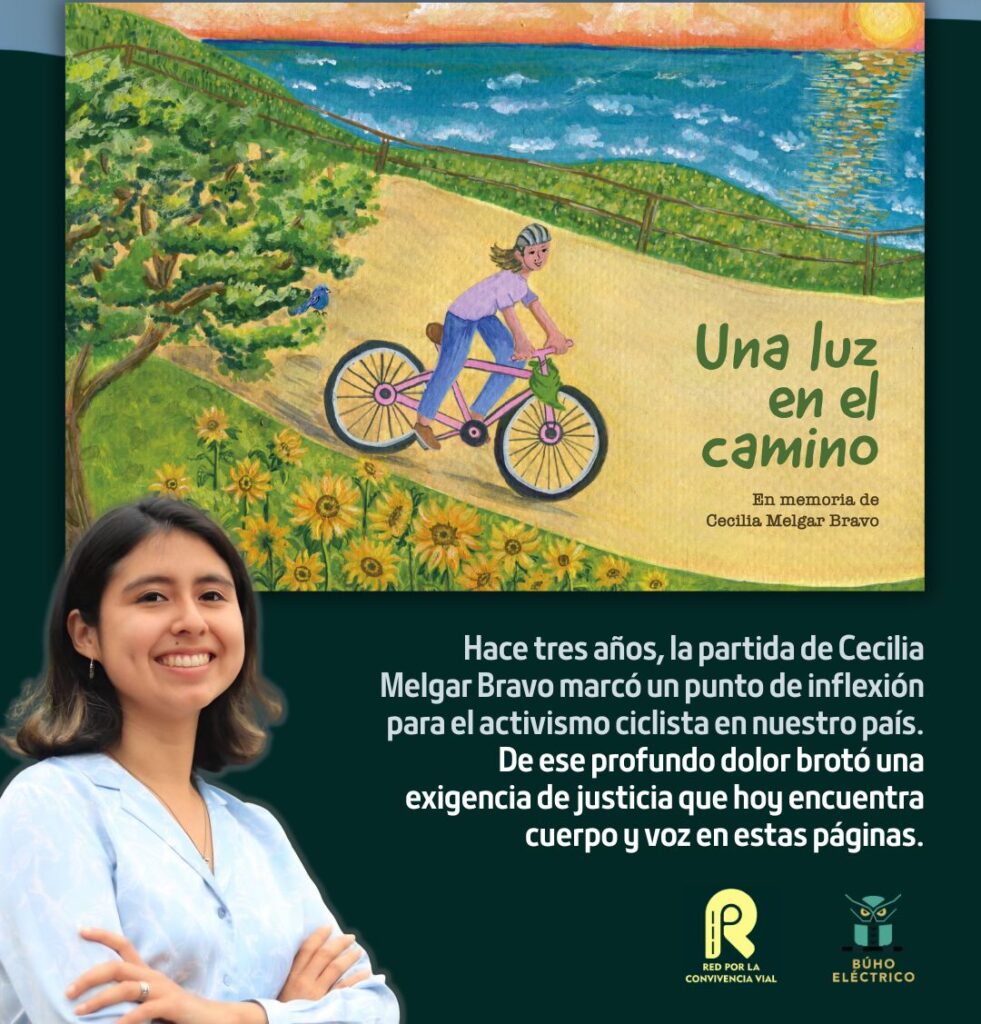
Cycling became much more meaningful to me through Cecilia. She loved the bicycle deeply. For her, riding was freedom, joy, connection, and a way of defending a more humane city. Through her, I began to understand that the bicycle was not only a means of transport, but also a tool for transformation.
Has your idea of “cycling confidence” changed over time?
Yes, completely. At first I thought cycling confidence was mainly about balance, technique, or knowing how to move safely through traffic. Today I understand it in a much deeper way.
Cycling confidence means knowing that you have the right to exist on the street. It means feeling that your life matters, that your journey matters, and that the city should protect you. But it also means that confidence should not depend on individual courage alone. No cyclist should have to be “brave” just to get to work, university, or home. Today, my work is about transforming individual confidence into collective safety: better infrastructure, better data, more empathy, stronger communities, and public policies that put life at the center.
Was there a moment, place, or person that really helped you feel more confident?
Cecilia was that person for me. She helped me see cycling not with fear, but with tenderness and purpose. She rode with joy, but also with conviction — she believed in the bicycle as part of a larger dream: a city that is safer, greener, more caring, and more just.
Another important source of confidence has been the cycling community in Lima. After Cecilia’s death, many people came together to demand safer streets and to support one another. That collective strength gave me the courage to keep riding, to raise my voice, and to help build Red por la Convivencia Vial.
How has cycling changed the way you move through your city or experience daily life?
Cycling changed the way I see Lima. When you ride a bicycle, the city is no longer just a map of roads and destinations. You feel the quality of the air, the speed of vehicles, the absence of shade, the condition of the pavement, the fear at intersections, but also the kindness of people, the beauty of neighborhoods, and the possibility of connection.
Cycling made me more aware of urban inequality. It showed me that mobility is not only about transport: it is about dignity, health, climate, justice, and the right to return home safely. It also helped me transform pain into action. Through Pedalea Seguro and Red por la Convivencia Vial, we work to make visible what cyclists experience every day and to turn that evidence into safer streets.
If you could go back and speak to yourself during your first rides, what would you say?
Take your time. You do not need to prove anything. Listen to the city, listen to your body, and ride with care. You will discover that the bicycle can change your life — not only because of where it takes you, but because of what it awakens in you. I would also tell myself:
Fear is valid, especially in a city like Lima. But fear can become awareness, awareness can become community, and community can become change.
Are there any tools, communities, or resources that helped you build confidence on the bike that you would recommend?
Community is the most powerful tool: riding with others, joining local cycling groups, participating in collective rides, and learning from more experienced cyclists can make a huge difference.
I would also recommend initiatives that combine cycling with road safety education, data, and advocacy. Pedalea Seguro has helped us map risks, identify infrastructure gaps, listen to cyclists’ experiences, and work with local governments and communities. Confidence grows when people know they are not alone, and when cities begin to respond with safer infrastructure and respect for life.
Cecilia’s cycling confidence was luminous. It was not an aggressive or individualistic confidence; it was generous, joyful, and deeply connected to her love for life. She learned and mastered cycling with passion, discipline, and heart. For her, the bicycle was part of who she was: a way to move, to feel free, to care for the environment, and to imagine a better city.
She rode with courage, but also with tenderness. She knew the risks of Lima’s streets, yet she never stopped believing that the city could change. Her confidence came from love: love for people, for nature, for public space, and for the possibility of a more compassionate society.
We recently coordinated a collective tribute in her memory called Una luz en el camino. The title reflects what Cecilia continues to be for many of us: a light on the road. Her legacy is present in every action we take to defend safer streets, in every cyclist who demands respect, and in every young person who believes that mobility can be an act of care.
If I had to describe what cycling confidence looked like for Cecilia, I would say: it looked like joy with purpose. It looked like resilience. It looked like a woman riding through the city not only for herself, but for all of us.
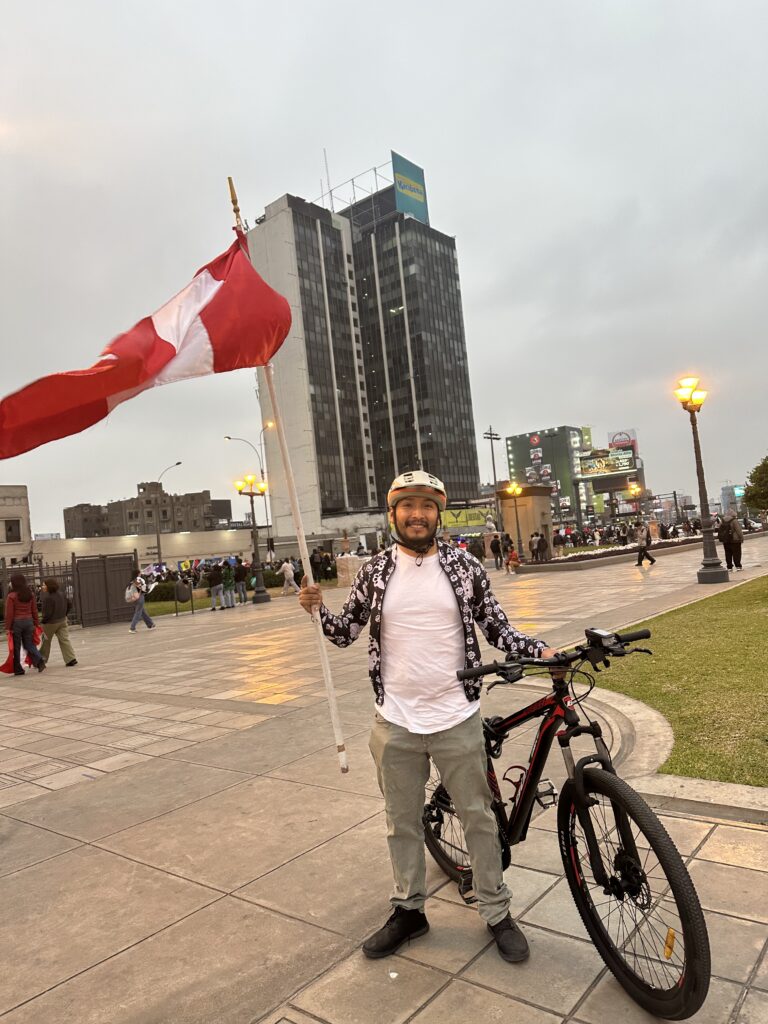
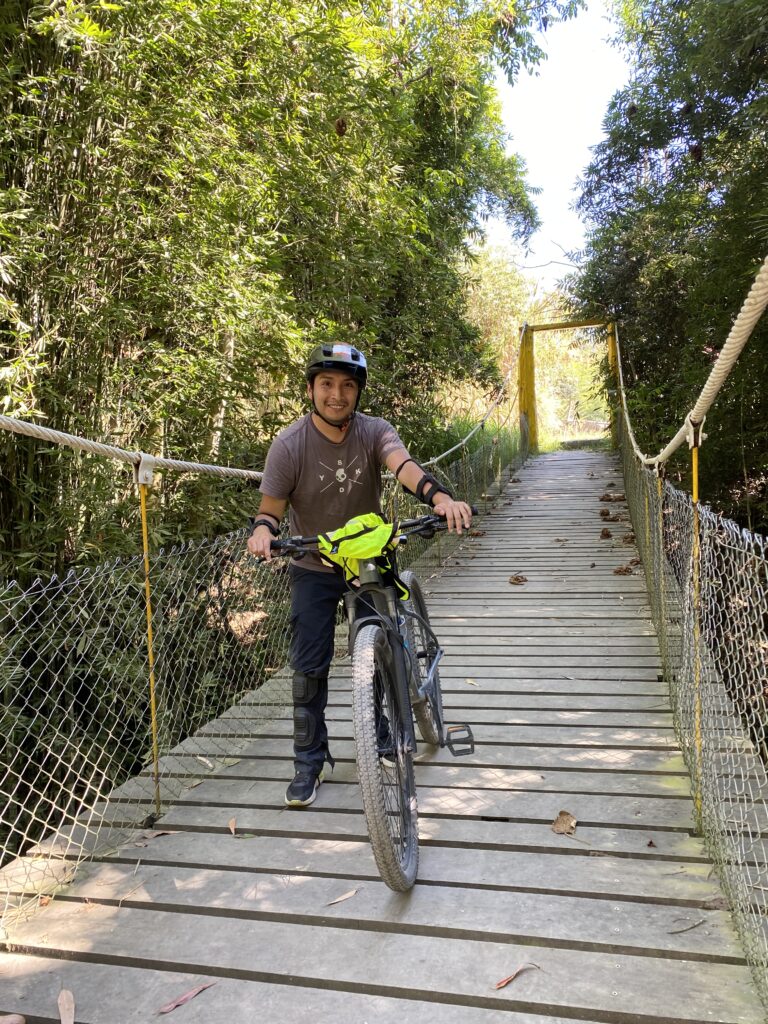
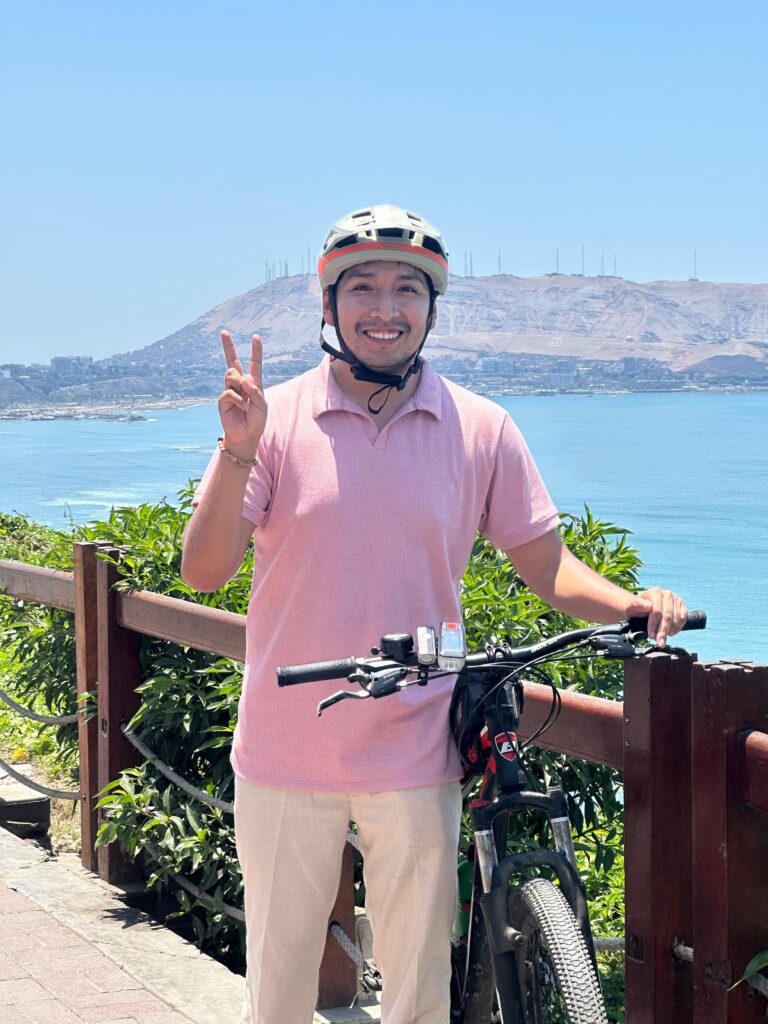
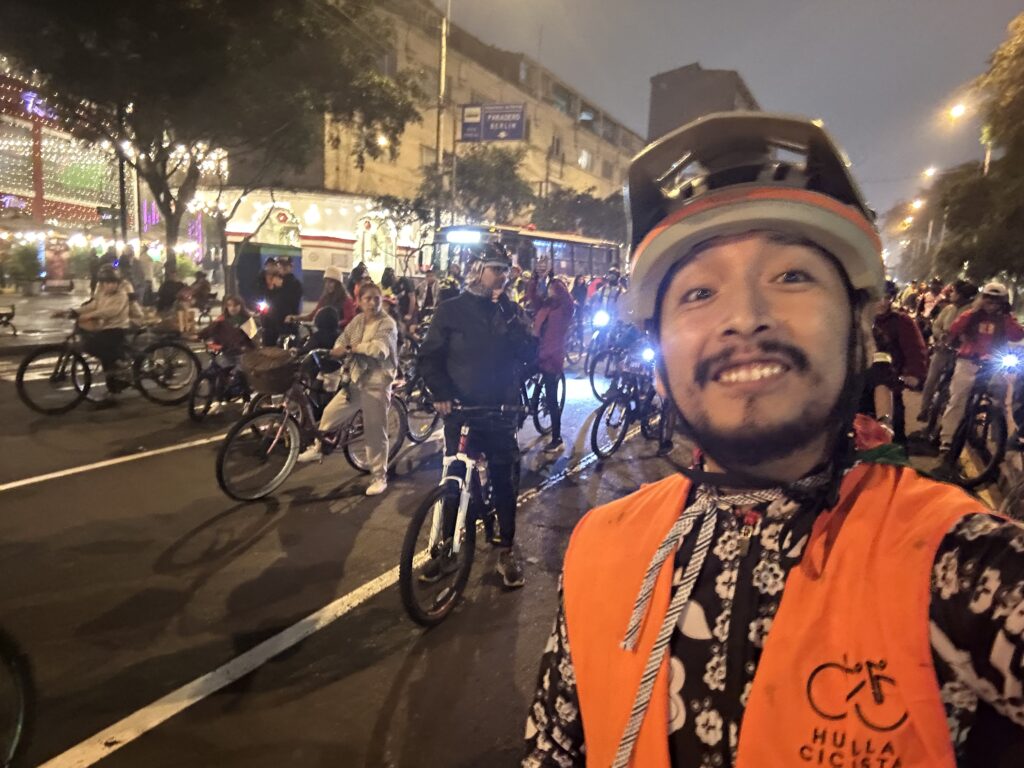
It’s World Bicycle Day on 3 June. Read our latest article on how to ride confident and join our Social Media campaign! Catch Jeffrey at Velo-city in Rimini, where he will be speaking at the the session “Promoting healthy and sustainable urban neighbourhoods in Peru, Nepal and Brazil.”
Jeffrey Leandro Diaz speaks at a road safety event at the Municipalidad de Pueblo Libre, Lima
Cristal Stefania Cedeño Tobanda
cristal.cedenotobanda@giz.de
Visit profile
You are currently viewing a placeholder content from reCAPTCHA. To access the actual content, click the button below. Please note that doing so will share data with third-party providers.
More Information