
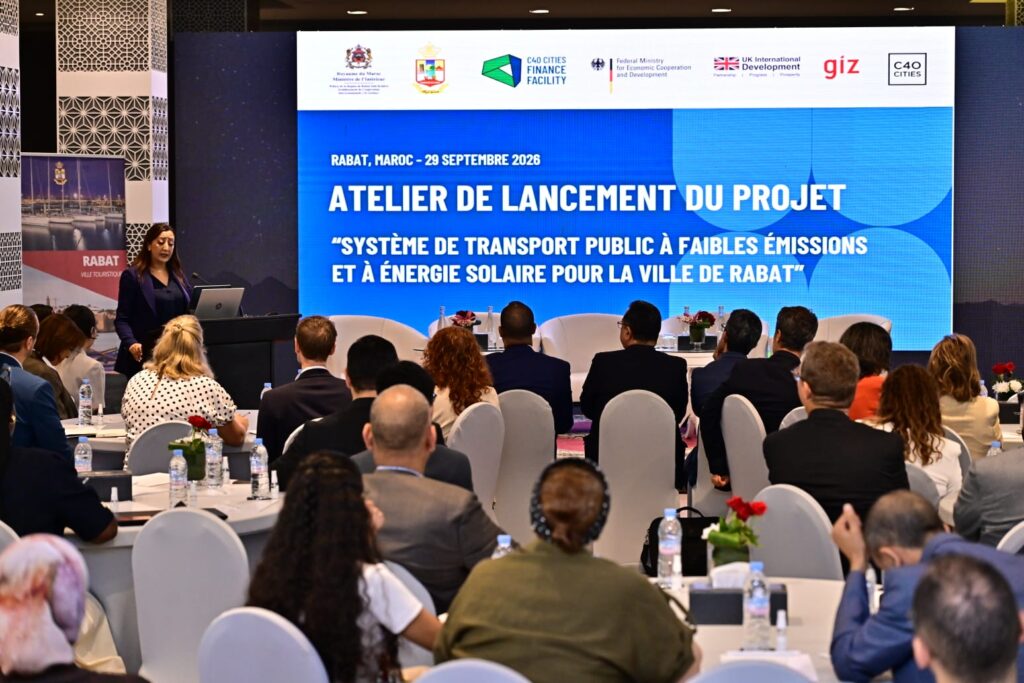
With plans to deploy 30 electric buses along the Témara–Rabat–Salé express line, Rabat is taking another step towards sustainable urban mobility. Supported by the C40 Cities Finance Facility (CFF), the project aims to combine electric transport with solar energy to improve air quality and provide cleaner mobility for more than 20,000 passengers every day. Officially launched on 29 September 2026, the initiative marks an important milestone in the transition towards cleaner public transport.
With nearly 2.4 million inhabitants in the Greater Rabat metropolitan area, urban mobility is a major challenge. Population growth, increasing mobility needs and the imperative to reduce greenhouse gas emissions make public transport transformation essential to building a healthier, more inclusive and resilient city.
This project is about much more than investing in electric buses. It is an investment in citizens, in cleaner mobility and in the future of Greater Rabat. It is another step towards a greener and more inclusive transport system for our city.
Fatiha El Moudni, Mayor of Rabat
The project launch brought together institutional and international partners, including the Mayor of Rabat, representatives of the Ministry of the Interior (MI) and the Ministry of Energy Transition and Sustainable Development (MTEDD), the Ambassador of the United Kingdom to Morocco, and the Deputy Head of Development Cooperation at the German Embassy in Rabat.
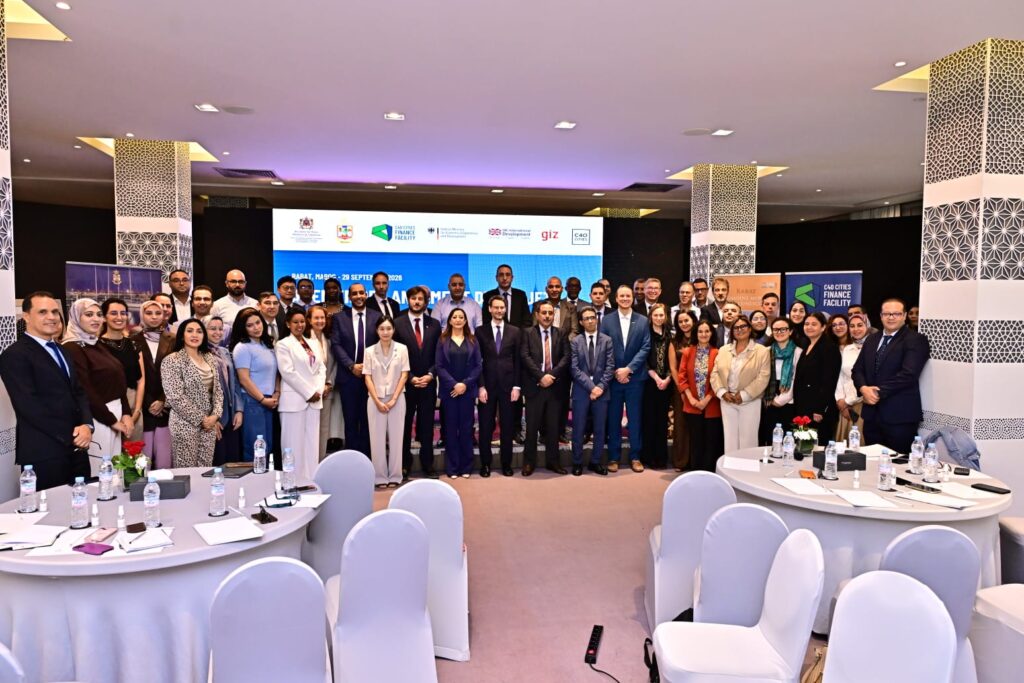
Supported by the Federal Ministry for Economic Cooperation and Development (BMZ) and the UK Foreign, Commonwealth & Development Office (FCDO), the project is implemented by C40 Cities and the Deutsche Gesellschaft für Internationale Zusammenarbeit (GIZ) GmbH. The CFF helps cities prepare and structure urban infrastructure projects aligned with their climate objectives, bridging the gap between climate ambition, technical feasibility and public transport transformation.
Selected from 201 applications worldwide for the CFF’s fourth phase, the Rabat project aims to support the deployment of 30 electric buses along the Témara–Rabat–Salé express line. The deployment of electric buses is expected to reduce road transport emissions, local air pollutants and diesel-related noise, improving daily travel conditions for residents.
To support the fleet, rooftop photovoltaic installations are planned at the two bus depots concerned, with battery storage systems also under consideration. Combining electric mobility with solar power could increase the share of renewable energy used to operate the buses and reduce reliance on grid electricity. The project thus seeks to address both vehicle electrification and the decarbonisation of the energy supply supporting public transport.
Morocco is strengthening its commitment to sustainable transport. Under its third Nationally Determined Contribution (NDC 3.0), submitted in September 2025, the country targets a 53% reduction in greenhouse gas emissions by 2035 compared with a business-as-usual scenario. This comprises an unconditional reduction of 21.6% and a further 31.4% conditional on international support. Renewable energy, energy efficiency, sustainable transport, climate-smart agriculture and resilience are the main pillars of this ambition.
Morocco is also developing an environment conducive to electric mobility. Technical standards are being developed, charging infrastructure is expanding and some public fleets are beginning to incorporate electric vehicles. At the same time, the growth of the automotive and clean technology industries is strengthening the country’s industrial base. Electric mobility is therefore gaining importance at the intersection of climate action, energy transition and industrial development.
While national policies establish the overall framework, implementation largely depends on cities. Local authorities play a decisive role in urban planning, public transport organisation, infrastructure management and improving air quality.
The Rabat project illustrates the connection between national ambitions and local action. By investing in electric buses and solar power generation at transport depots, the initiative addresses interconnected challenges related to transport emissions, air quality, access to public transport and the energy transition. The deployment of the 30 electric buses is a first step, offering an opportunity to demonstrate how electric transport and renewable energy can be combined at the urban scale, and to strengthen the local expertise needed to deploy electric mobility more widely.
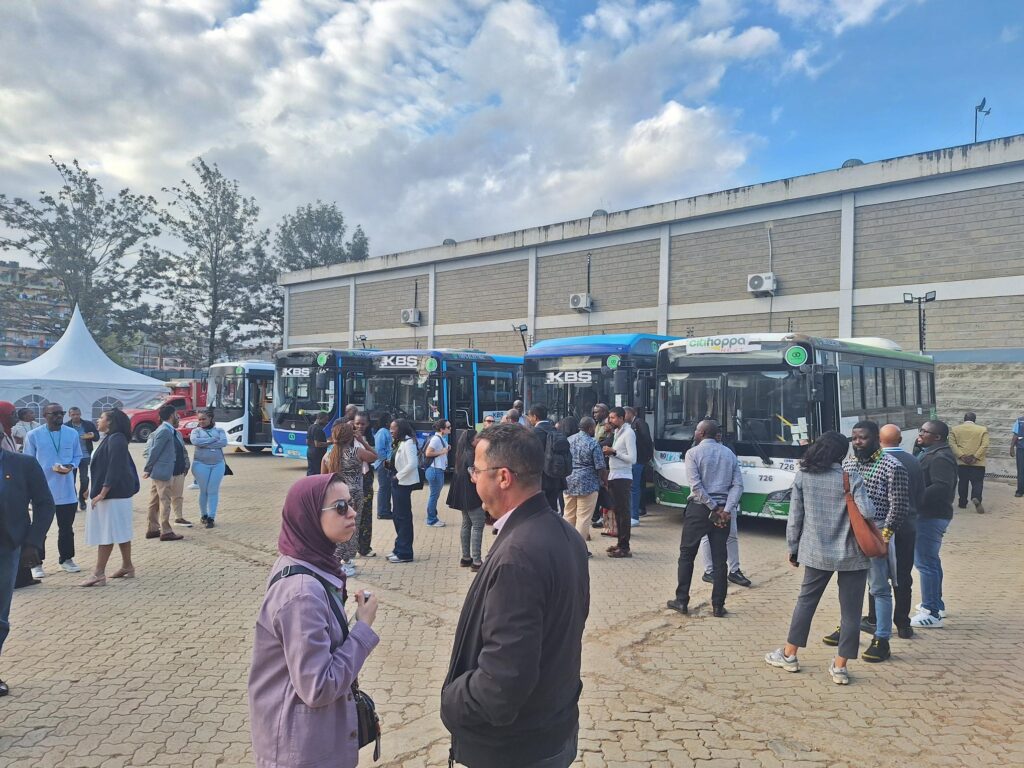
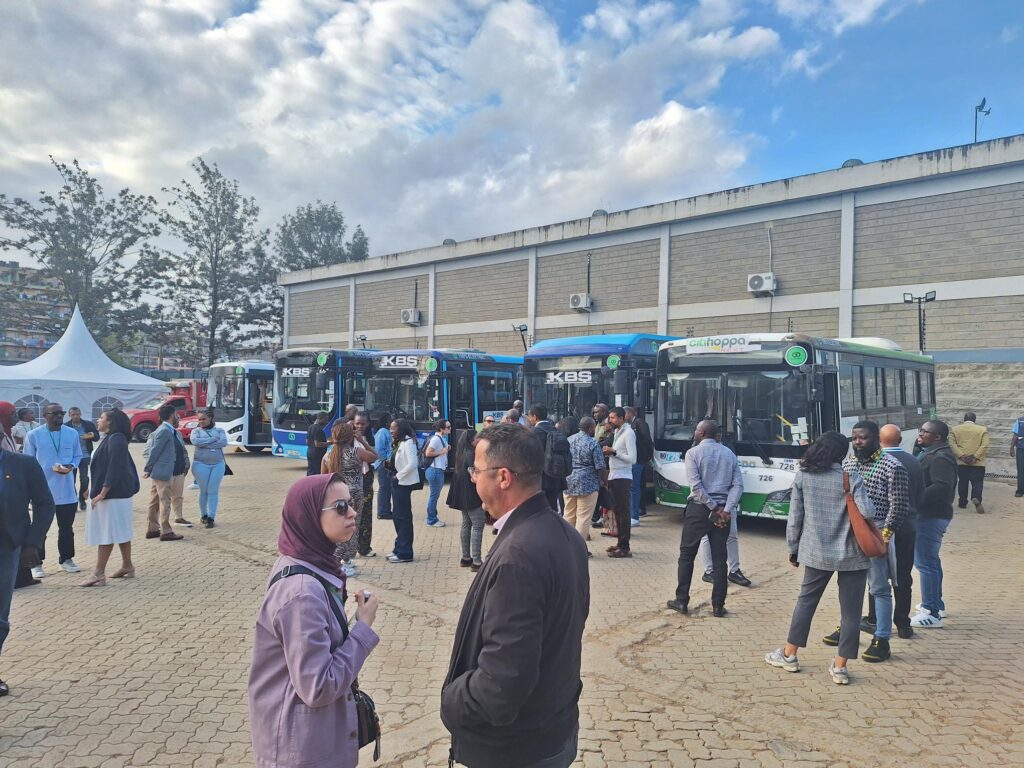
Rabat’s project also draws on the experience of other African cities. Ahead of the kick-off, Rabat Région Mobilité (RRM) joined representatives from 13 African cities at the CFF’s African Clean Air Transport Finance Academy, held in Nairobi in June 2026. The exchanges deepened the city’s understanding of what makes a mobility project bankable. A visit to the electric bus operator BasiGo also gave participants a first-hand view of what it takes to run electric buses every day.
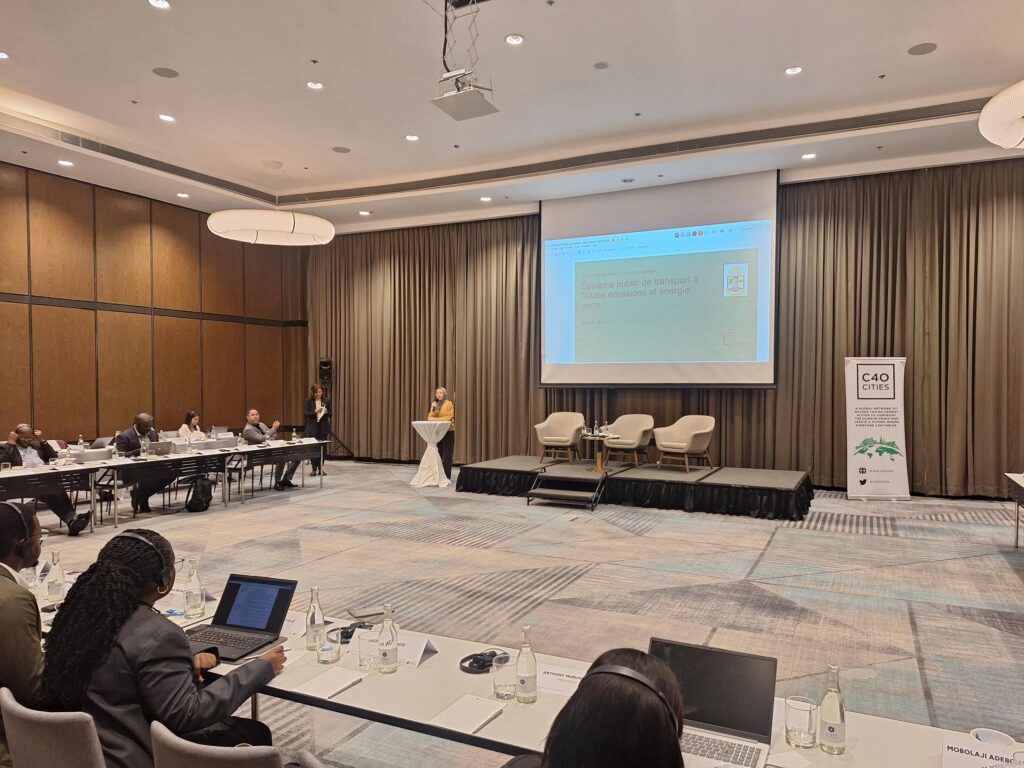
The partnerships built with peer cities and development finance institutions will continue to support the next phase, which includes technical workshops, participation in international sustainable mobility events and continued cooperation on fleet electrification, charging infrastructure and innovative financing.
Sustainable mobility requires more than replacing diesel buses with electric ones. It depends on an integrated approach to vehicles, energy, infrastructure, financing, urban planning and public services. By combining electric public transport with renewable energy, the Rabat project offers an opportunity to advance cleaner and more resilient urban mobility while generating lessons for future initiatives in Morocco and beyond.
The CIVIC Project, implemented through the C40 Cities Finance Facility (CFF) by GIZ in partnership with C40 Cities, supports cities in preparing, structuring and financing climate-resilient urban infrastructure projects. The project strengthens the capacities of local governments, facilitates access to climate finance, and promotes the development of sustainable urban infrastructure in areas including urban mobility, energy and green infrastructure.
In this context, the project supports the City of Rabat in the development of an electric bus (e-bus) project, contributing to the promotion of sustainable urban mobility and the reduction of greenhouse gas emissions.
Site visit to BasiGo's electric bus operations in Nairobi. © GIZ Morocco
Abdelilah Zyane
abdelilah.zyane@giz.de
You are currently viewing a placeholder content from reCAPTCHA. To access the actual content, click the button below. Please note that doing so will share data with third-party providers.
More Information