Transport emitted over 17,000 million tonnes (Mt) of CO₂ in 2024, and the figure continues to rise. Over the past two decades, global transport emissions have increased by nearly 30%, now accounting for 21.27% of worldwide emissions. In Latin America, transport is the leading sector of CO₂ emissions, responsible for almost 35% of the region’s total. (EDGAR, 2025).
Without decisive action, this trajectory will continue to undermine national climate commitments and urban air-quality goals. Electrification presents a promising opportunity to reverse this trend.
Across Latin America, electrifying public transport can deliver rapid climate and air-quality benefits, particularly where electricity grids already include significant shares of clean energy. The region’s solid hydro, solar and wind resources account for an increasing share of total electricity generation and provide a solid foundation for a cleaner mobility transition. With the right policy frameworks and innovative procurement models, transport electrification can significantly accelerate emissions reductions while strengthening long-term energy resilience.
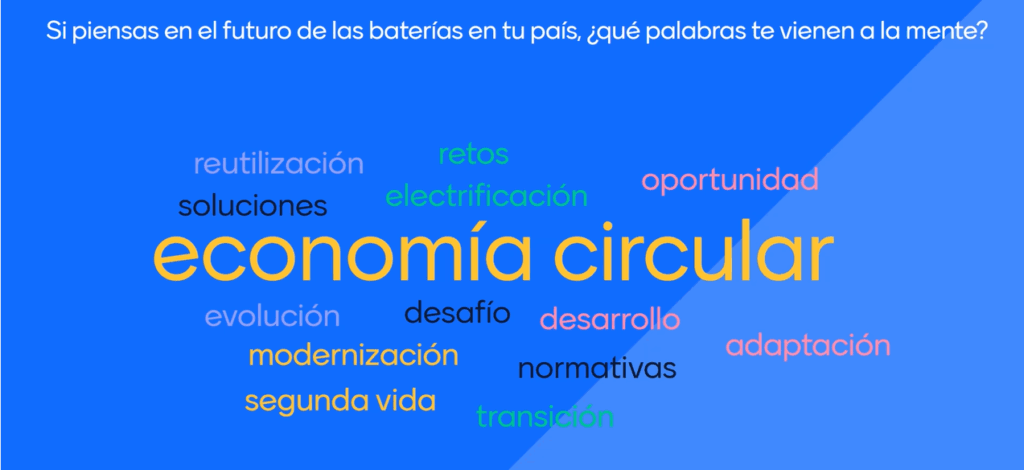
[E-Mobility] is an important sector because it promotes a circular economy and enhances energy independence by ensuring more stable energy prices, in contrast to imported fuels.
Alexander Fragueiro, Secretaría Nacional de Energía (Panamá)
As supply chains mature and technical expertise expands, large-scale e-bus deployment is becoming increasingly viable and cost-effective. Clear and harmonised regulations, combined with targeted capacity-building, help de-risk private investment in charging infrastructure and catalyse sustainable market growth.
By aligning expectations across sectors and fostering knowledge exchange, stakeholders can move towards service-oriented solutions, including standardised requirements, interoperable charging systems, and procurement models that distribute risks fairly.
E-Motion (E-Mobility and Low Carbon Transportation) is a Green Climate Fund (GCF) programme co-financed by CAF and the International Climate Initiative (IKI), that accelerates transport electrification across Latin America. Active in ten countries through two subprogrammes, E-Motion strengthens collaboration and supports the consolidation of a regional e-mobility ecosystem.
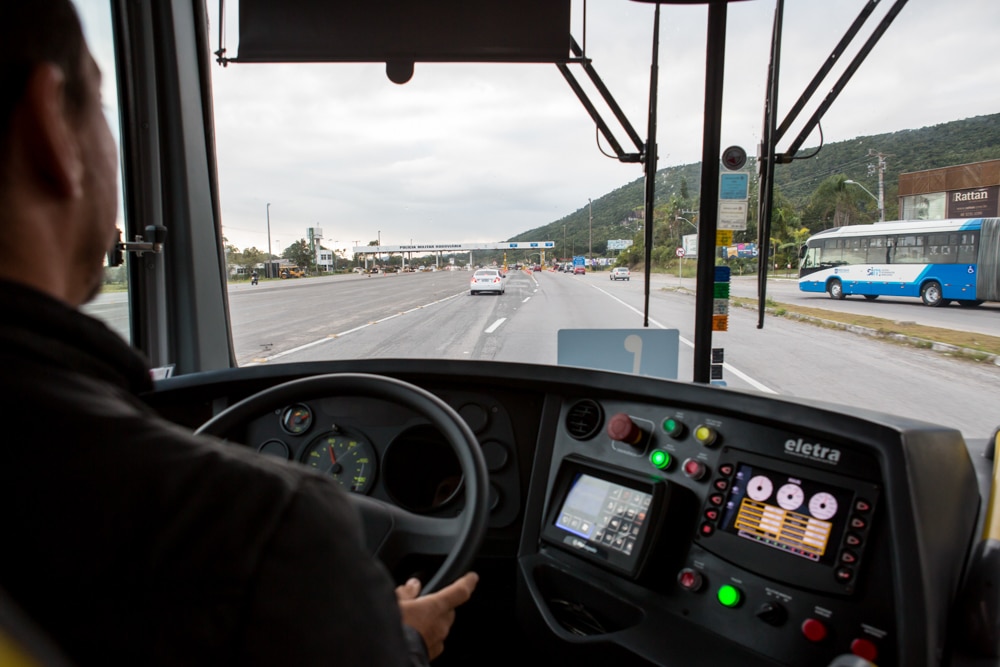
Electrification is not only a technological upgrade but also an institutional and operational transformation. E-bus operations require:
E-Bus operation differs fundamentally from traditional diesel fleets. Infrastructure planning, charging logistics and lifecycle management must be addressed holistically to ensure long-term sustainability and cost-efficiency.
Within the framework of the E-Motion programme, participants from Uruguay, Paraguay and Panama engaged in a curriculum of two consecutive courses aimed at strengthening institutional capacity for transport electrification.
The course has offered a valuable integrated focus, since it has covered not only technical aspects of electromobility, but also social, political and environmental. (…) [E-mobility] will be an important challenge but will be doubtlessly worth it.
Mineth Saldaña, COE Manager at Transporte Masivo de Panamá, S.A.
In addition to the web-based course developed by the Transformative Urban Mobility Initiative (TUMI), nine live sessions facilitated peer exchange and practical learning tailored to national contexts. A total of 71 participants from 26 institutions — spanning transport, energy, environment, commerce, industry and finance sectors — contributed to a comprehensive dialogue on policy, operations and market development.
Ensuring that the e-mobility transition is inclusive is central to its long-term success. Women’s participation must be strengthened at all stages, from public and private sector decision-making to operations and user experience, to advance equity and gender justice in transport systems.
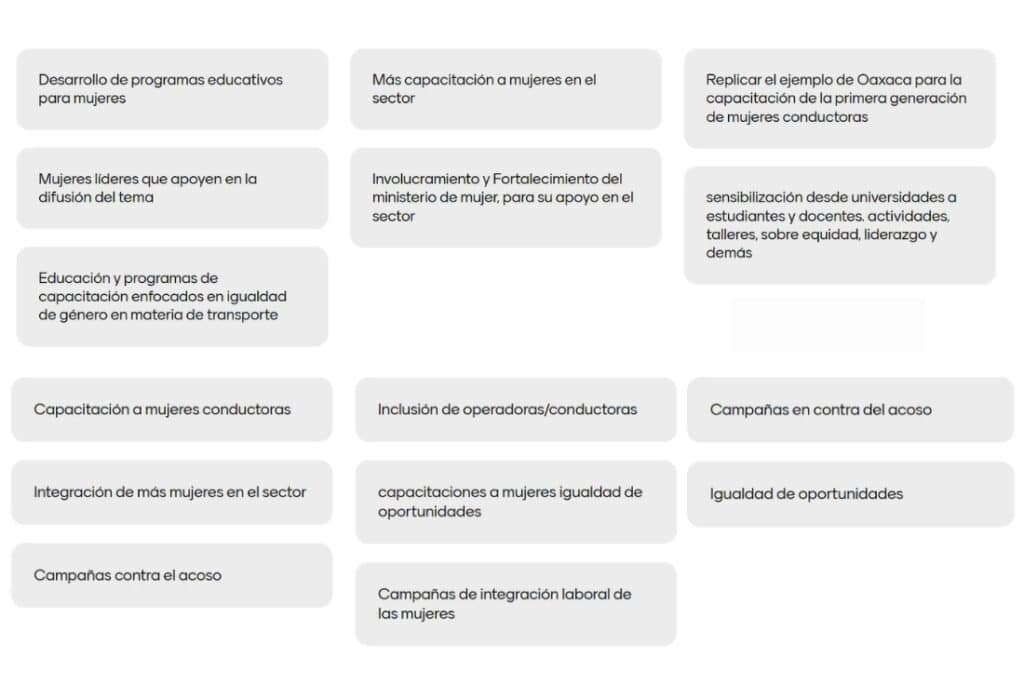
The curriculum therefore included sessions dedicated exclusively to gender perspectives in e-mobility. Female participation averaged 45% per session, reflecting growing engagement in a sector historically dominated by men. Participants identified concrete priorities for advancing gender equity, including workforce inclusion, leadership representation, capacity-building and measures to prevent harassment.
Capacity-building emerged as a central lever for change. Gender-responsive planning and training enhance safety, accessibility and system effectiveness. Through its transversal Gender Action Plan, E-Motion integrates gender considerations across technical assistance and investment support.
The learning journey continues. E-Motion is now convening in-person workshops and launching upcoming courses on digitalisation and gender-inclusive mobility, further strengthening regional cooperation and knowledge exchange.
Follow the latest updates on the Changing Transport website and social media channels for more.
The Programme “E-Motion” is funded by the Green Climate Fund (GCF), with the Corporación Andina de Fomento (CAF) serving as the accredited entity. Implementation is led by the Deutsche Gesellschaft für Internationale Zusammenarbeit (GIZ), which works closely with public and private partners to ensure the effective delivery of investments and technical assistance. Co-financing is provided by the International Climate Initiative of the German government in the context of the Mobilize Net-Zero project.