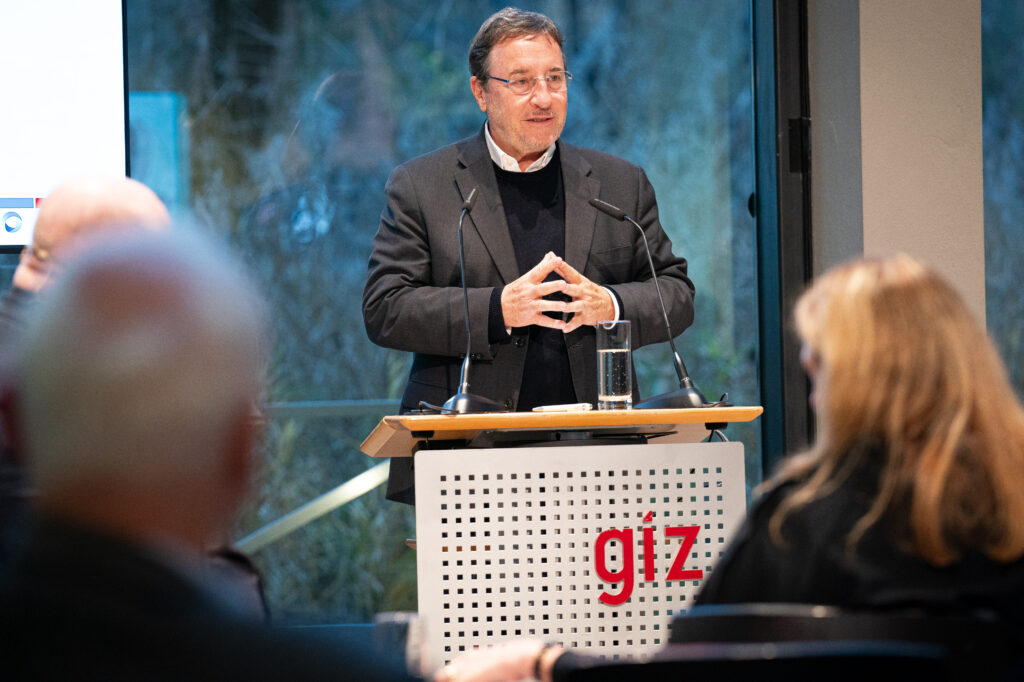
Out of Africa in its very diverse set of realities emerges a continent that sees itself actually as the next frontier of mobility transformation, as much for its own citizens, for the global climate agenda, and for a pan-African development perspective where industrialisation, urbanisation and job creation become the fundamental drivers of decisions.
Achim Steiner, former Administrator of UNDP
Africa’s mobility choices over the coming decades will shape not only the continent’s development trajectory, but also global climate outcomes and supply chains. With the world’s youngest population, rapid urbanisation, and still-low motorisation rates, Africa is uniquely positioned to leapfrog fossil-fuel-based transport systems and build an electric mobility future on its own terms.
Against this backdrop, GIZ and Agora Verkehrswende convened a high-level dialogue on 3 December 2025 in Berlin to reflect on emerging evidence, strategic opportunities, and the steps needed to accelerate the transition.
Over the past two years, the Rethinking Transport project, implemented by GIZ and Agora Verkehrswende, has convened experts and stakeholders from over 20 African countries to identify priority actions for advancing sustainable transport across the continent. Building on these exchanges, the dialogue in Berlin focused on pathways to scale electric mobility in Africa.
One message stood out clearly: Africa’s e-mobility transition is no longer a future vision — it is already underway. The question now is how fast it can scale, and who captures the value it creates.
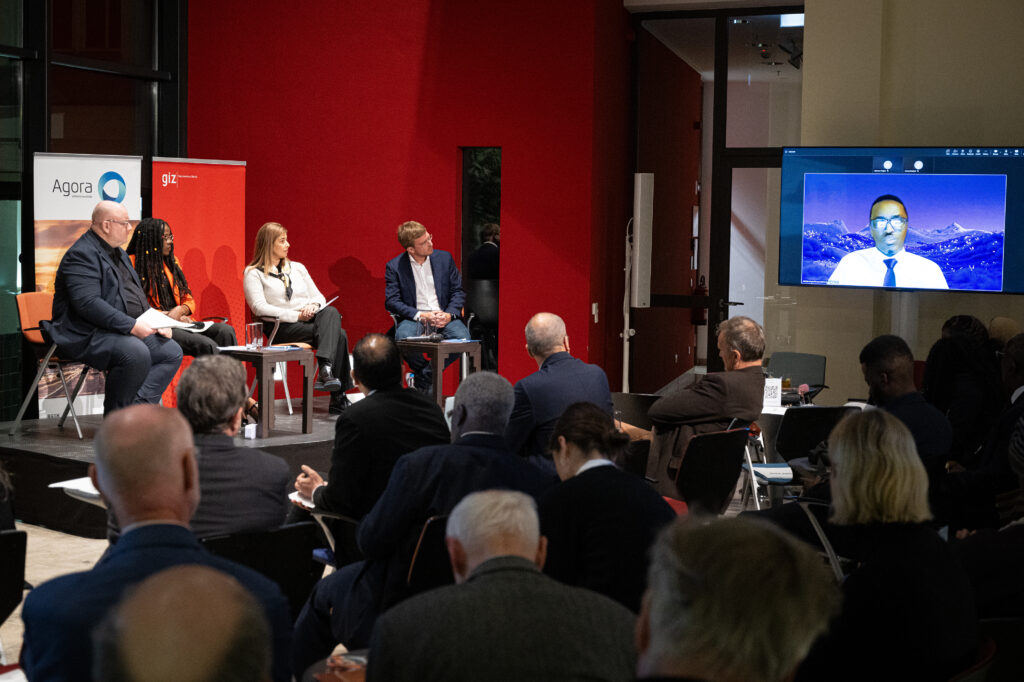
Panel Discussion on Leapfrogging to E-Mobility with Edna Mercy (E-mobility Expert, Africa Mobility Research Hub), Ayda Fathi (Director of Automotive Industry, Ministry of Industry and Trade, Morocco), Dr. Andreas Kammel (VP Alternative Drivetrains, Traton Group) and Eric Ntagengerwa (Head of Transport, African Union Commission) ©GIZ by Thomas Ecke
Africa’s transport systems remain heavily dependent on fossil fuels. Used vehicle imports dominate fleets across the continent, many of which fail to meet emission standards, while fuel import bills place a significant burden on national economies. This risks locking countries into an expensive, high-emission development pathway.
At the same time, Africa holds strong advantages for a clean mobility transition. The continent possesses over 40% of global critical mineral reserves, and its vast renewable energy potential, with solar capacity far exceeding Europe’s, could replace up to 100 million tonnes of oil annually.
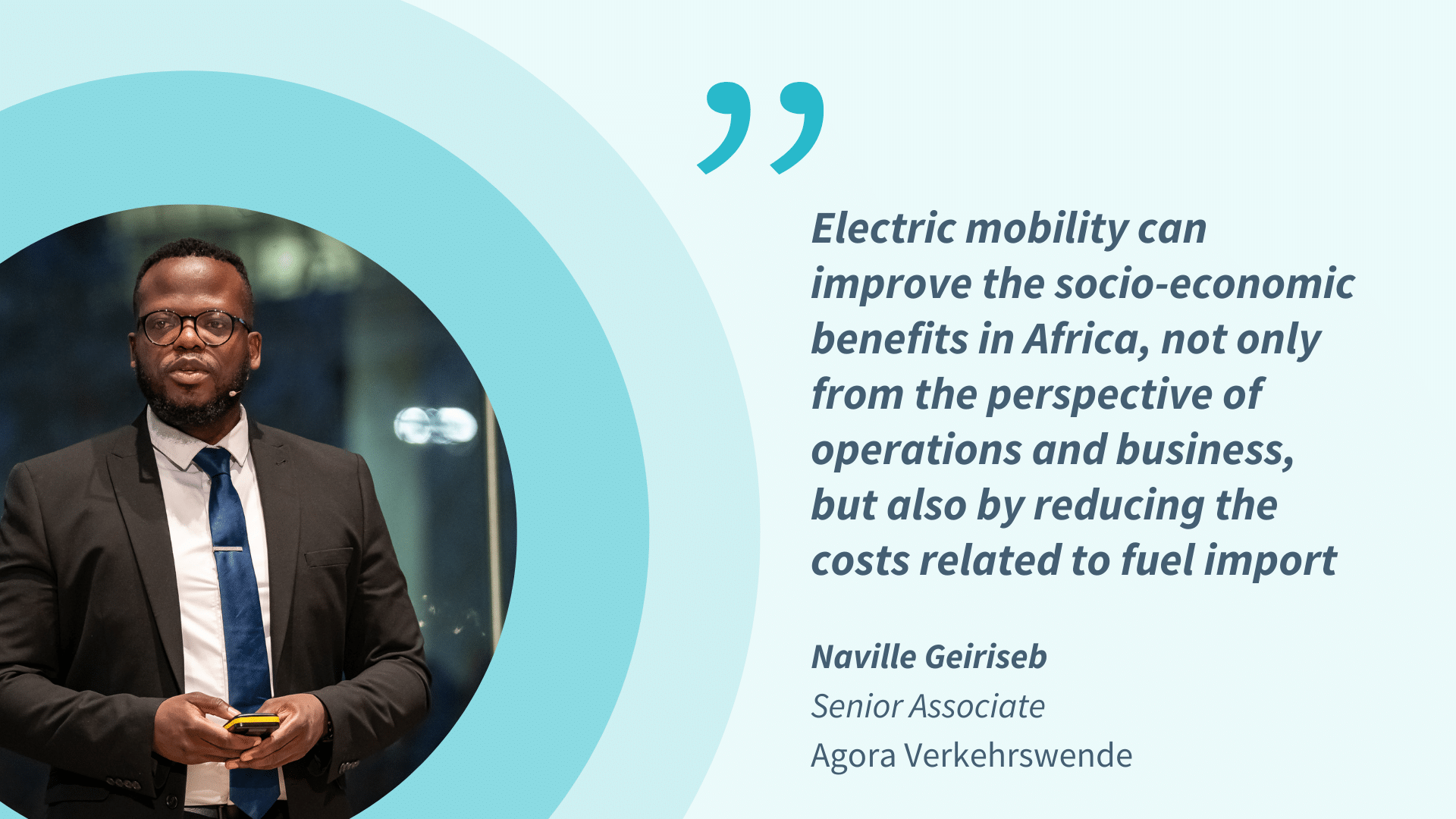
New analysis presented by Agora Verkehrswende highlighted just how strong the economic fundamentals for e-mobility already are. In countries such as Ethiopia, operating a fossil-fuel vehicle is more than sixty times more expensive per kilometre than an electric one; in Zambia, it is over forty times more expensive. These differences underline that e-mobility is not only a climate solution, but also a way to reduce operating costs, lower dependence on imported fuels and strengthen energy security.
Importantly, the transition also carries significant social implications. As e-mobility markets expand, from manufacturing and assembly to services and operations, they offer opportunities to create new, decent jobs, including for women, who remain underrepresented in the transport sector. Dakar’s first fully electric BRT system in Senegal illustrates this potential: serving up to 300,000 passengers daily, it has created 1,000 jobs, 35% of which are held by women, alongside targeted measures to improve safety and inclusion, including gender-based violence prevention mechanisms and opportunities for women in operational roles (ITDP, 2024). Such examples show how e-mobility can contribute to more inclusive and equitable transport systems when gender-responsive policies are integrated from the outset.
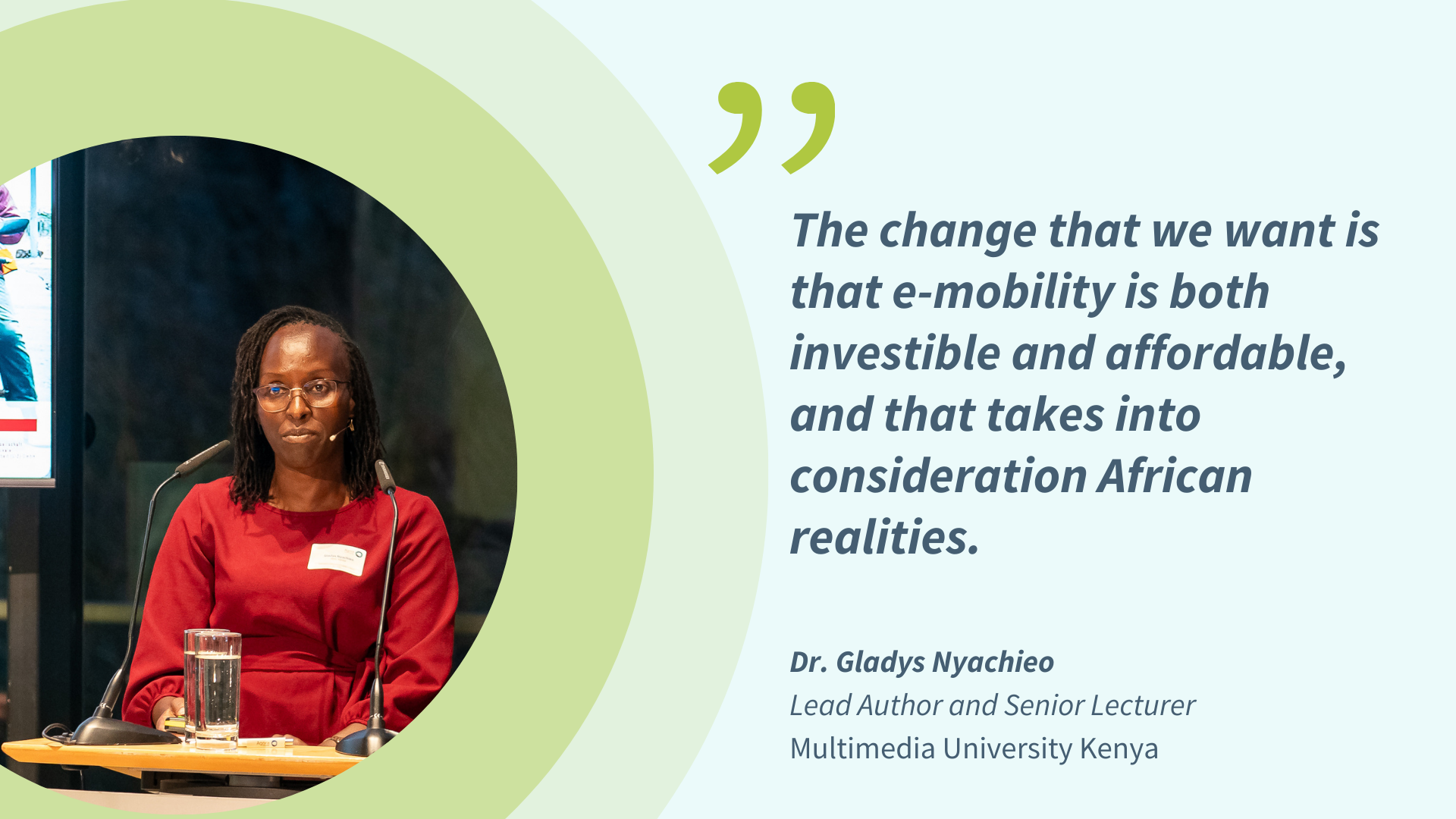
From an industry perspective, the conclusion is increasingly straightforward: electrification is already cost-efficient in many African contexts. What remains decisive is the speed of implementation and infrastructure rollout, not the viability of the technology itself.
It is always going to be better if it is electric. It is about costs and efficiency; the business case is very feasible; it is decided, it just a matter of speed and provision of infrastructure.
Dr. Andreas Kammel, VP Alternative Drivetrains, Traton Group
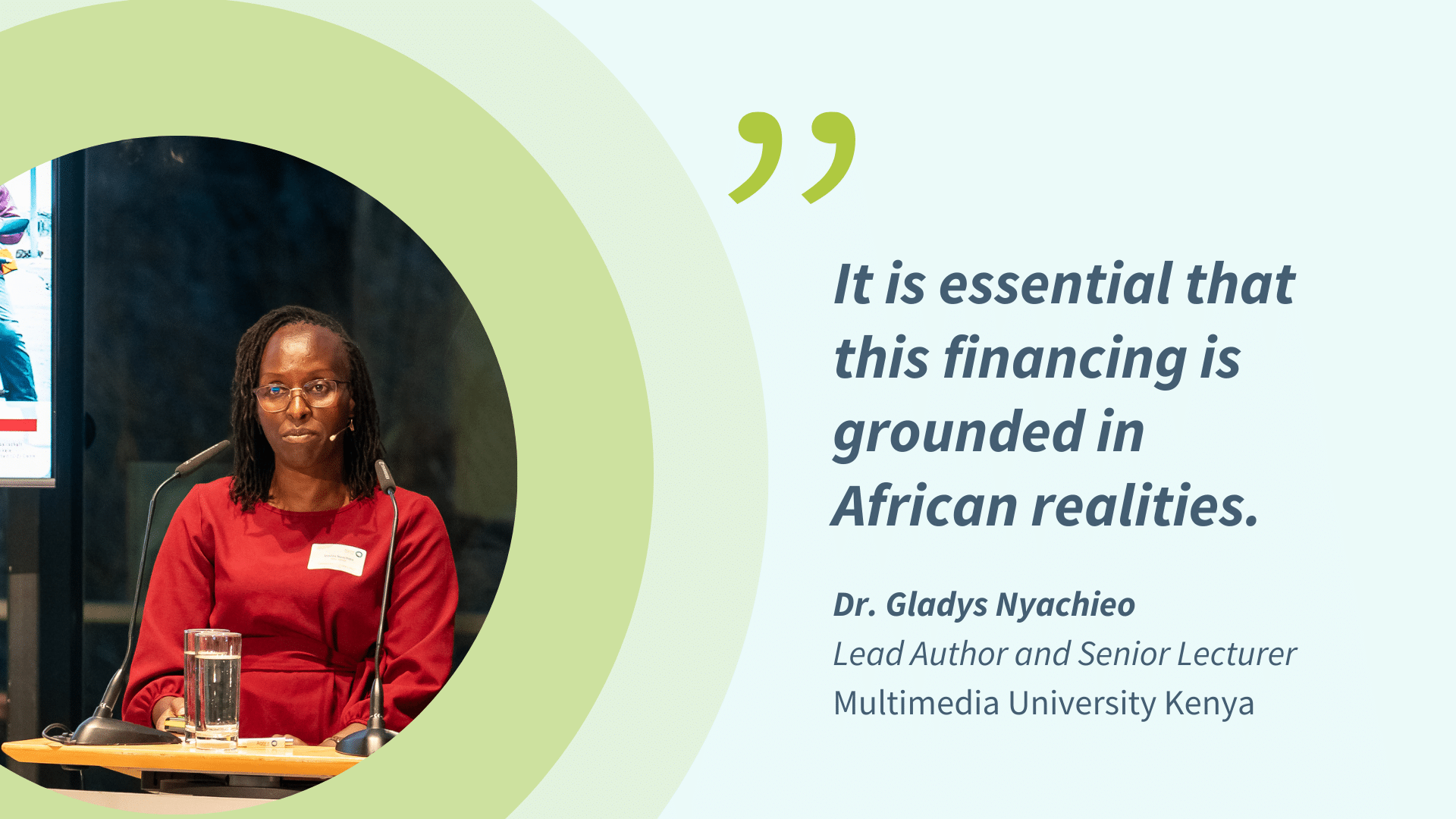
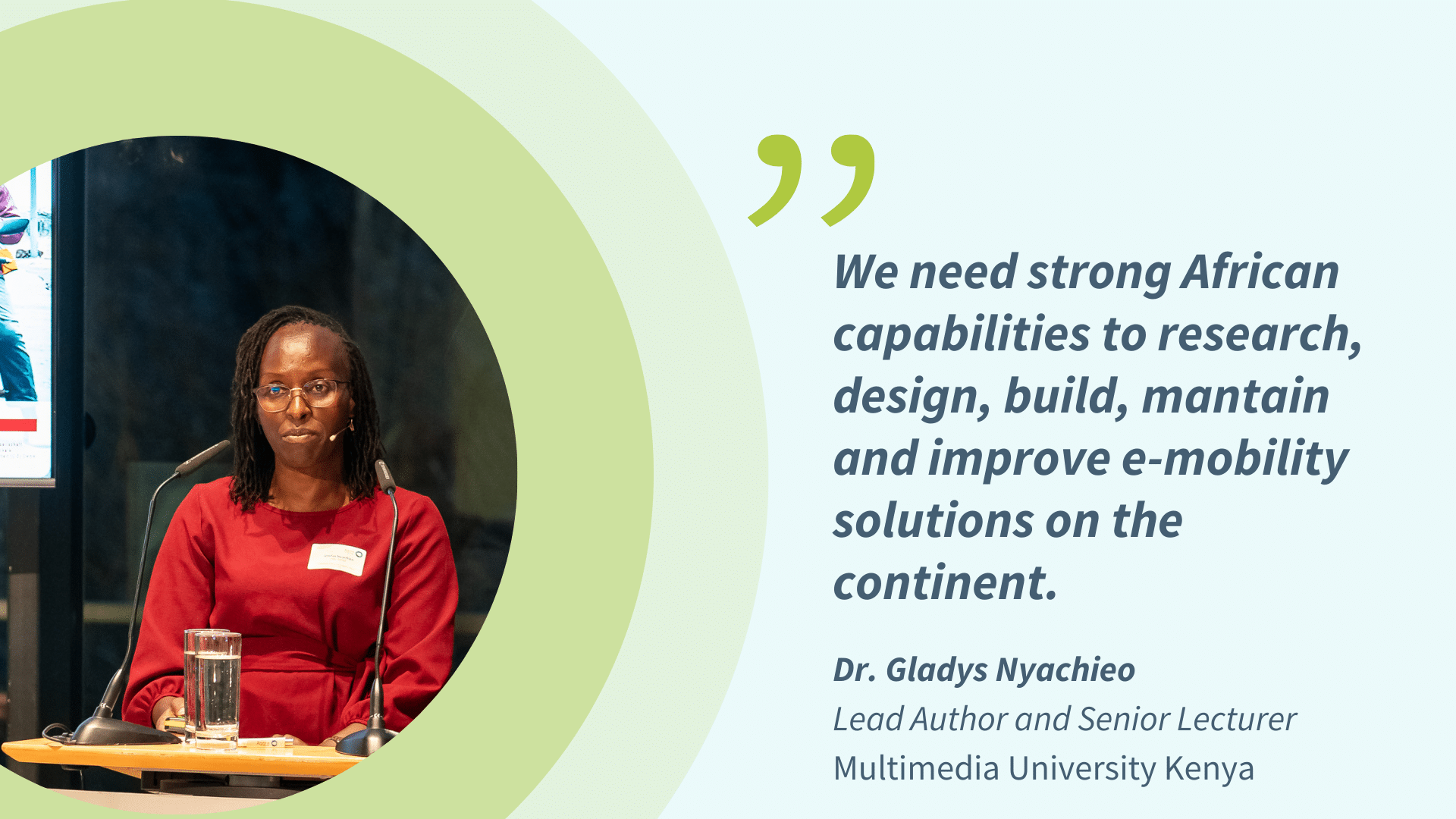
Scaling e-mobility requires more than technology. Throughout the dialogue, a shared message emerged: African ownership, local industry and evidence-based policymaking will be decisive.
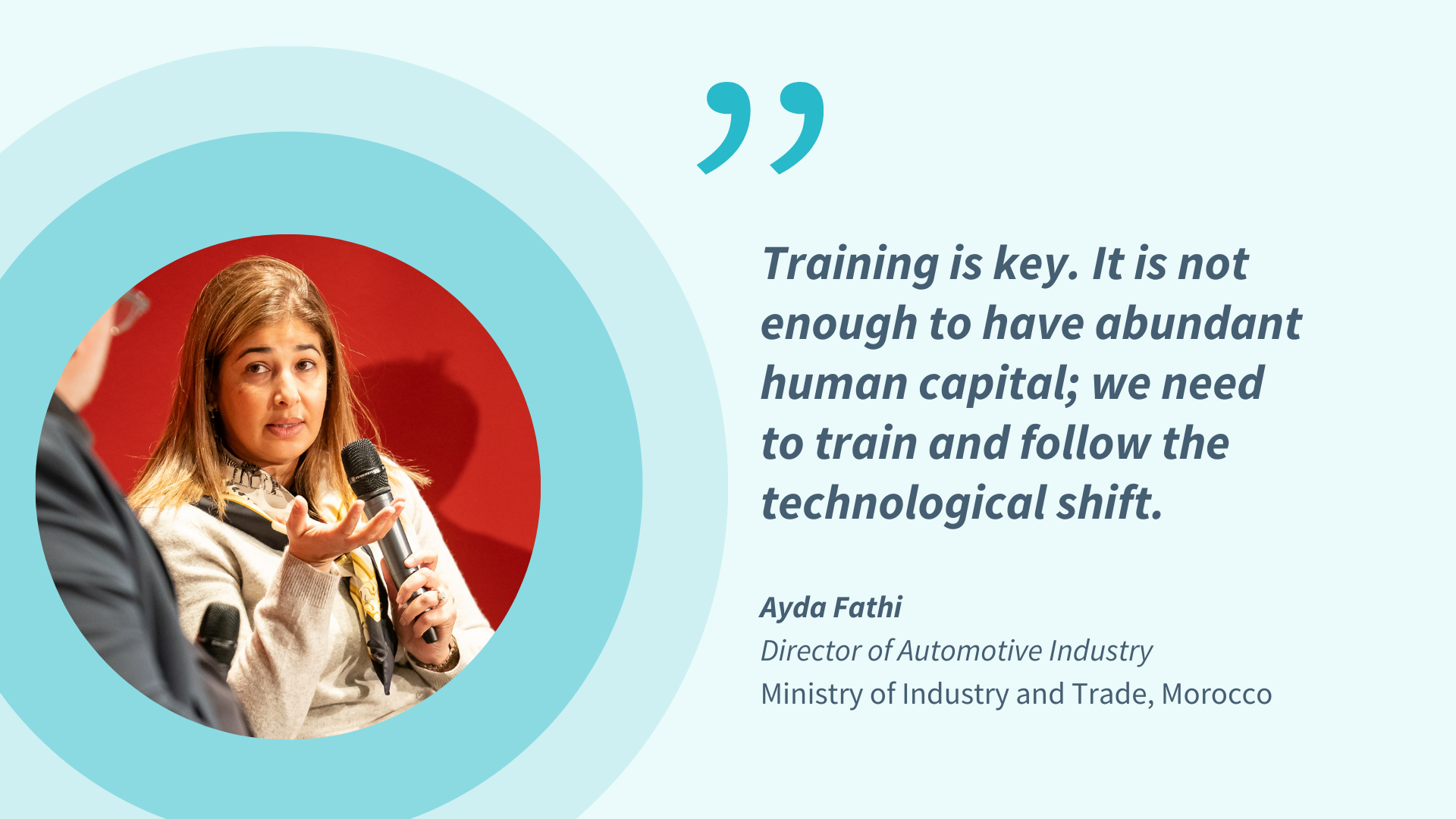
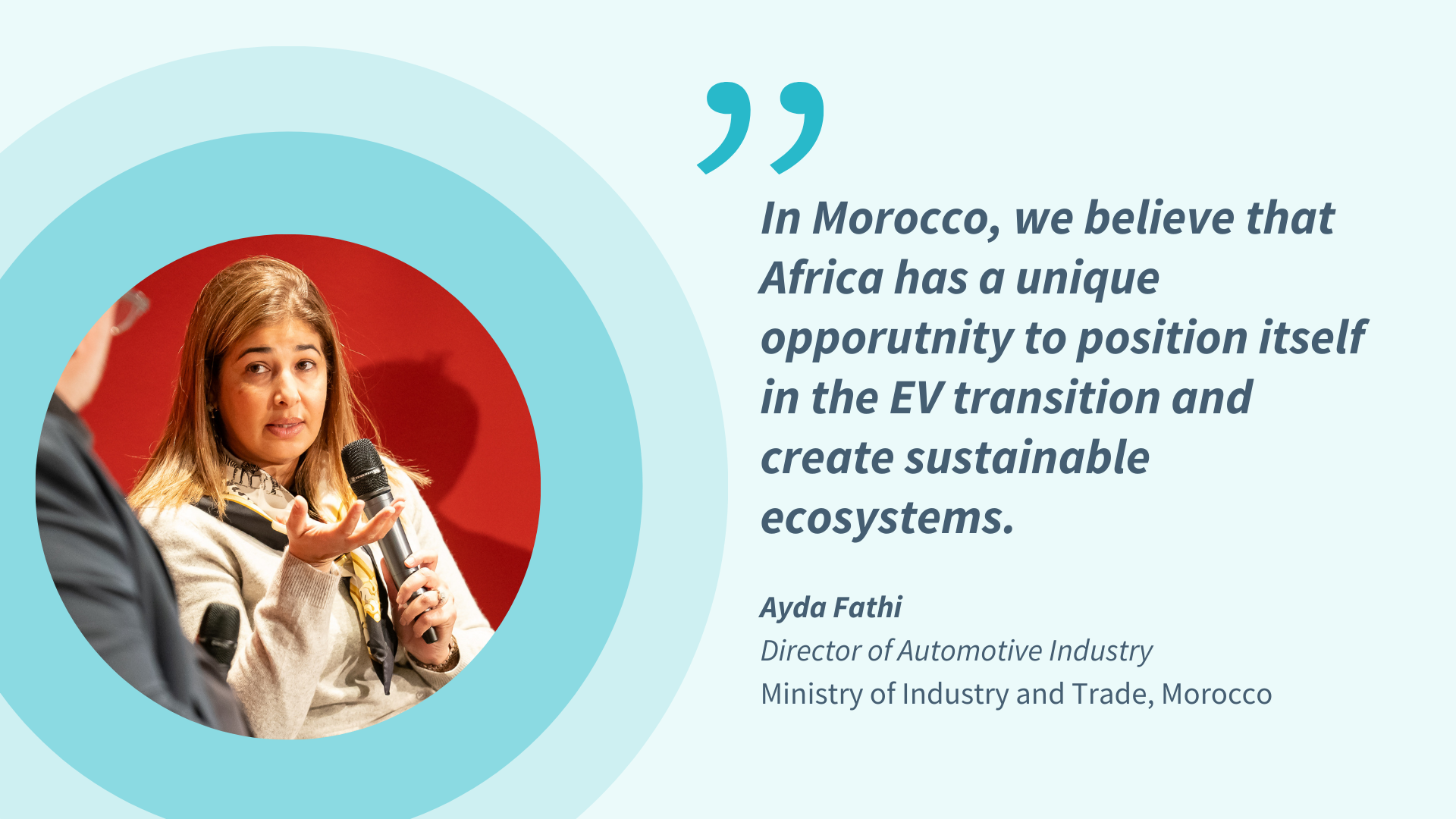
Morocco’s experience, shared during the panel discussion by Ayda Fathi, Director of Automotive Industry at the Ministry of Industry and Trade, reflects this approach. By embedding e-mobility within a broader strategy of industrial sovereignty and technological leadership, the country has invested in skills development, training institutions and infrastructure, while leveraging domestic resources such as phosphates for battery production. This integrated strategy has attracted international investment and supported the emergence of competitive manufacturing ecosystems, showing how e-mobility can drive local value creation and employment.
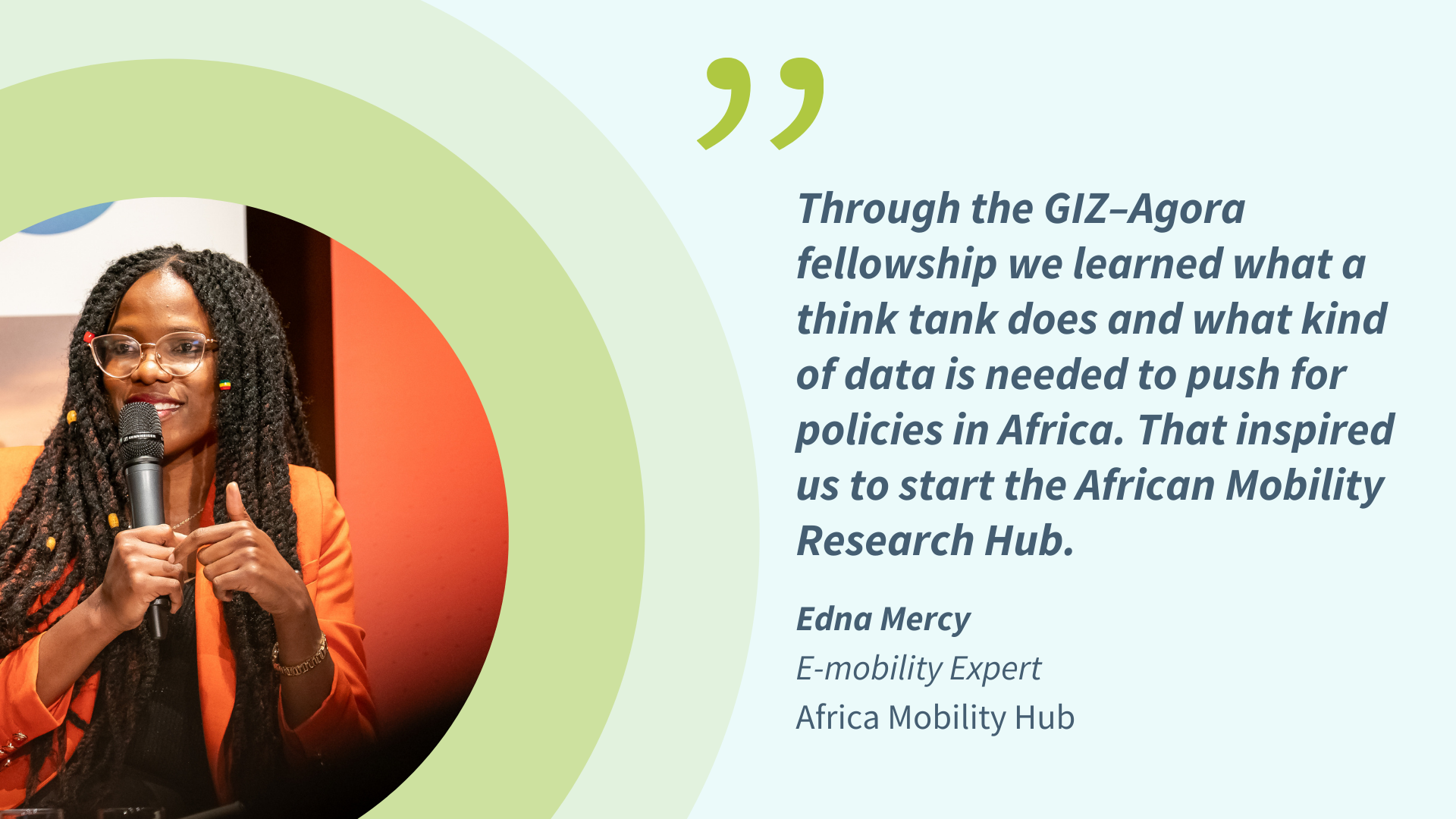
Knowledge and data are another critical pillar. Participants stressed that African expertise remains underutilised in mobility planning and policy design. Inspired by Agora’s model of policy-oriented research, alumni of the Rethinking Transport Fellowship recently launched the African Mobility Research Hub, a new think tank focused on generating African-led evidence to inform decision-making and investment.
Insights from stakeholder workshops across the continent in the last two years further highlight the need for African solutions to African challenges, including integrated regional markets, aligned standards and policy approaches that reflect local mobility patterns and economic realities. These insights will be consolidated in an upcoming strategy report on advancing electric mobility in Africa, to be published in Spring 2026 under the Rethinking Transport project. Building on the contributions of African policymakers, researchers and practitioners, the report will distil key lessons and strategic entry points to support countries and partners in scaling e-mobility across the continent.
The pictures of the event are available here.
Across all discussions, policy vision and continental alignment emerged as decisive levers for scaling Africa’s e-mobility transition.
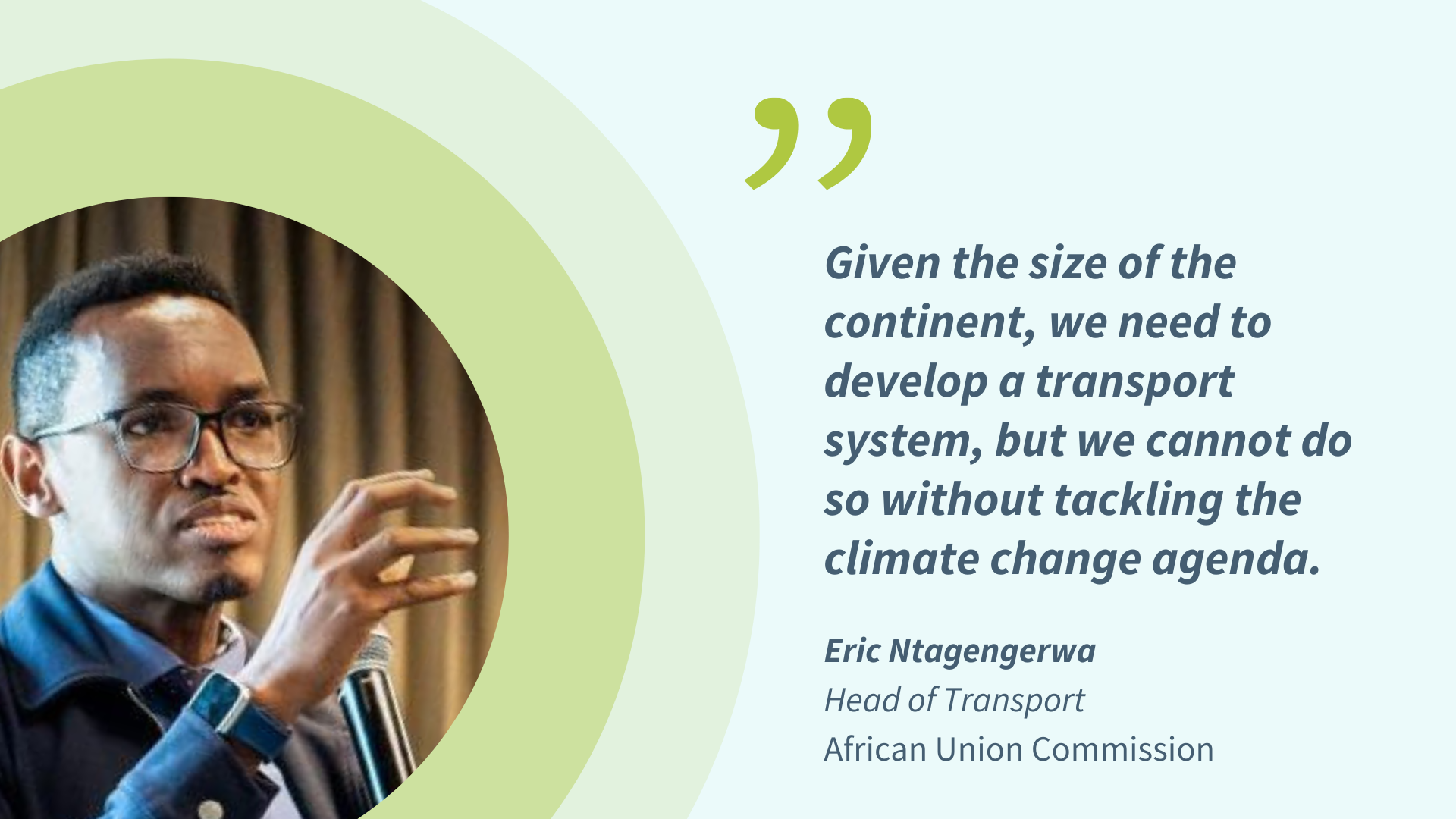
The African Union is advancing a continental e-mobility framework that recognises transport as part of a wider economic, industrial and climate ecosystem. A key idea emerging from the Rethinking Transport workshops is the development of an African E-Mobility Charter, which could help harmonise standards, align policies and guide investment across countries and regions.
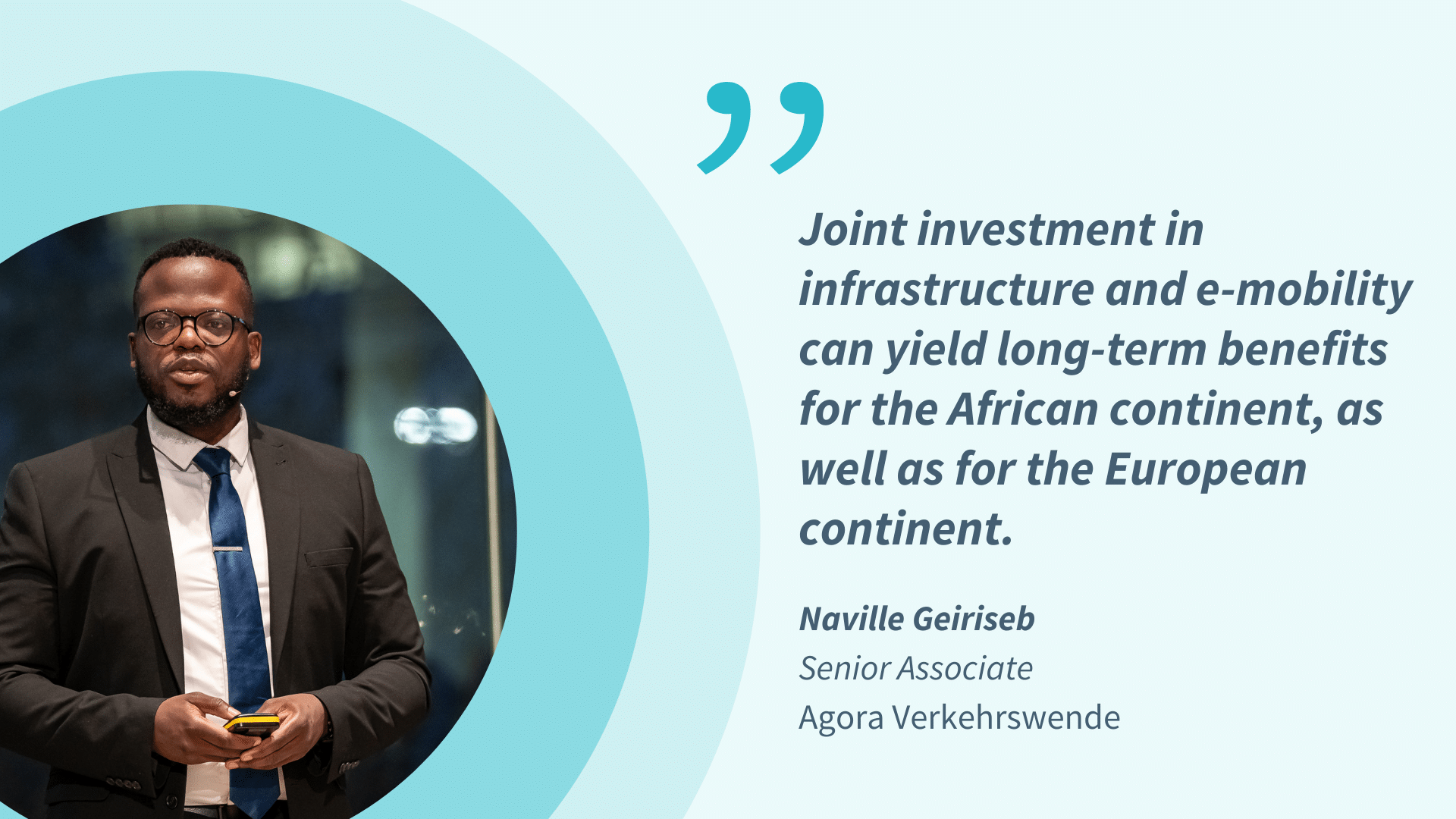
The discussion highlighted that Africa’s e-mobility transition should be driven by regional cooperation and local value creation. At the same time, engagement with Europe and Germany can help unlock shared benefits, including access to new markets, diversified supply chains and reduced reliance on fossil fuels. When aligned with African leadership, such cooperation can accelerate implementation while delivering economic and climate gains on both sides.
Looking ahead, COP32 in Addis Ababa represents an extraordinary opportunity to showcase Africa’s leadership on climate and mobility. Ethiopia is already lighting the path, with its bold decision to phase out imports of internal combustion engine vehicles. And Ethiopia is not alone. Across the continent, momentum is building as more countries advance e-mobility strategies, invest in local value chains and align transport reform with climate and development goals.
Ingrid-Gabriela Hoven, Managing Director at GIZ, emphasised in her closing remarks that Africa’s concrete experiences, from electric mass transit systems to local manufacturing and skills development, can help shift global narratives and place transport more firmly at the centre of international climate discussions.
Rethinking Transport is a GIZ self-financed initiative, implemented by GIZ and Agora Verkehrswende.
Key Note Speech by Achim Steiner, former Administrator of UNDP, at the High-Level Event "Pathways to Advancing E-mobility in Africa" © GIZ by Thomas Ecke

Cristal Stefania Cedeño Tobanda
cristal.cedenotobanda@giz.de
Visit profile

Ragina Gitau
ragina.gitau@giz.de
Visit profile